



The 9th HCare Summit | Connecting the Global Innovation Ecosystem to Explore the Critical Path from FIH to POC
2026-5-16In recent years, innovative drug development has evolved from isolated technological breakthroughs toward a system-level competition encompassing basic research, translational medicine, early-stage clinical development, and global collaboration. How to more efficiently achieve the critical transition from First-in-Human (FIH) to Proof of Concept (POC) has become a key issue determining the global development efficiency and value transformation capability of innovative therapies.
On May 15, at the sub-forum “From FIH to POC: Paradigm Innovation in Early Clinical Research” during the 9th Hillhouse HCare Global Healthcare Industry Innovation Summit, entrepreneurs, scientists, clinical experts, industry partners, and investors from the global life sciences field gathered to focus on the theme “Paradigm Innovation in Early Clinical Research: Historic Opportunities and Challenges.” Discussions centered on frontier topics including the restructuring of early clinical development systems, the construction of translational research ecosystems, AI-enabled drug development, and pathways for global collaborative innovation. Together, participants explored new ideas, models, and future directions for transforming early clinical research amid the accelerating global landscape of innovative drug development.
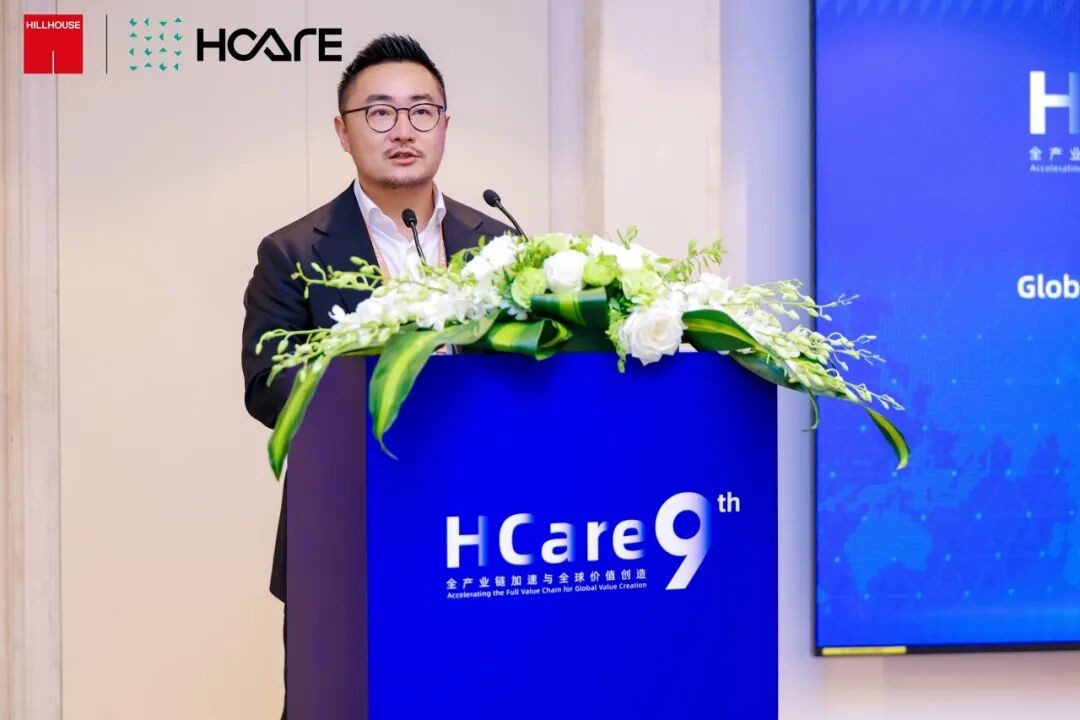
Mr. Zheng Xiaoyu, CEO of GoBroad Healthcare Group, served as moderator of the forum
Accelerating Clinical Translation: GoBroad’s Practice from FIH to POC
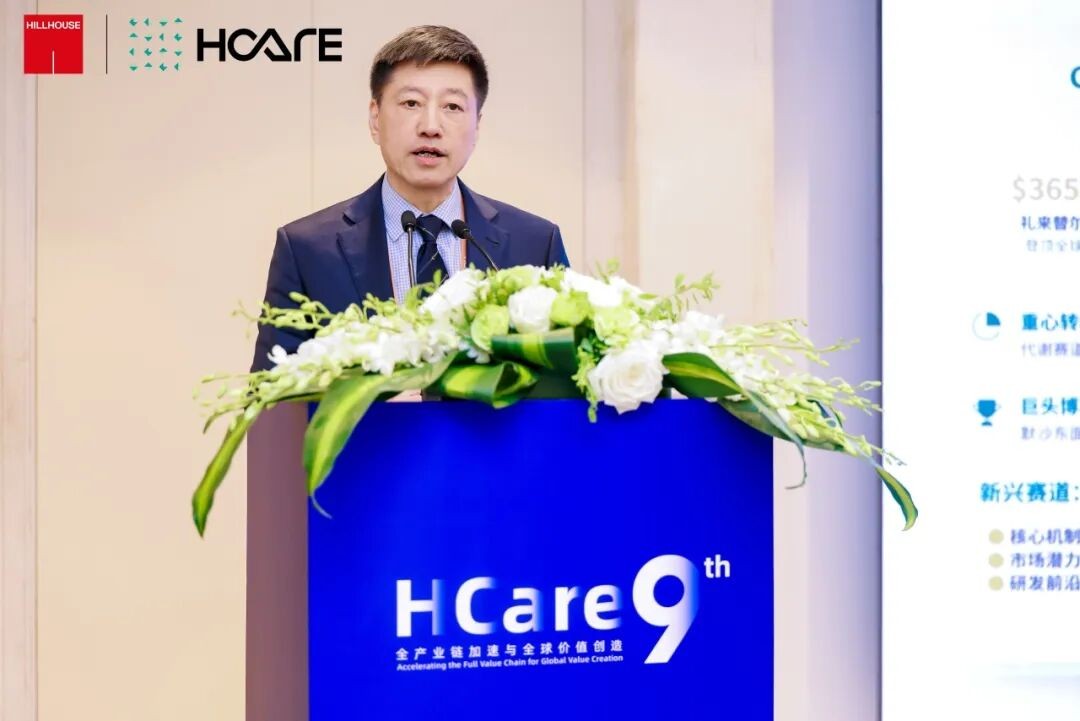
Professor Li Jin
Professor Li Jin, President of Shanghai GoBroad Cancer Hospital affiliated with China Pharmaceutical University and Chairman of the Federation of Asian Clinical Oncology (FACO), opened the forum with a keynote speech titled “The Future Is Here: Reflections on Early Clinical Development of Innovative Drugs.” Drawing from his dual perspectives as a clinician and principal investigator (PI), Professor Li provided an in-depth analysis of the practical challenges facing traditional early clinical development models in areas such as resource coordination, patient management, and development efficiency. He also systematically shared GoBroad Healthcare Group’s explorations and practices in optimizing early clinical research systems, enhancing translational clinical capabilities, and building innovative collaboration mechanisms through the development of research-oriented hospitals.
He emphasized that the key to overcoming translational bottlenecks lies in establishing a full-chain innovation ecosystem connecting clinical needs, proof of concept, and patient benefit. As the transition from FIH to POC increasingly becomes a critical window determining the global development potential and commercialization value of innovative drugs, research hospitals must not only continuously improve clinical research execution efficiency, but also strengthen clinically driven innovation capabilities to accelerate the integration of original innovations into the global innovation and clinical translation system.
Reconstructing the Translational Ecosystem: Exploring the TUM Venture Labs Model
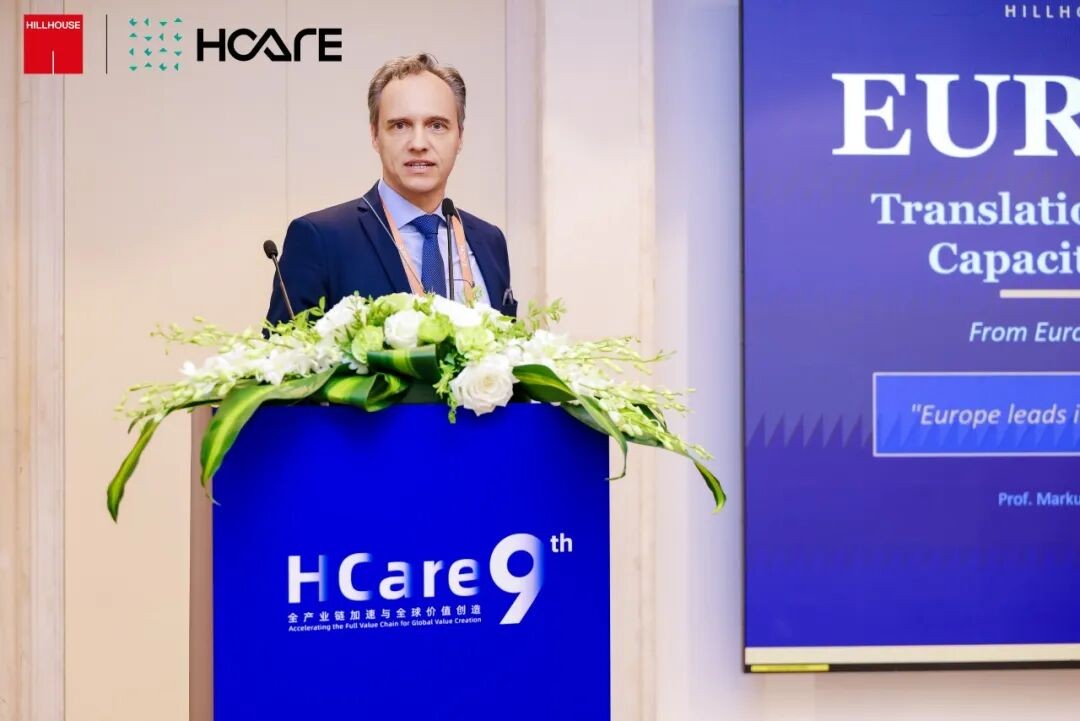
Professor Markus Gerhard
Professor Markus Gerhard, Professor at the Technical University of Munich and Academic Director of TUM Venture Labs, delivered a presentation titled “EUROPE × CHINA: Translational Innovation and Industrialization Capacity Building for Biopharmaceuticals.”
Based on the current development of Europe’s biopharmaceutical innovation ecosystem, he systematically analyzed the trends reshaping the global biopharmaceutical industry value chain, from scientific translation and clinical development to industrialization. He focused particularly on the complementary relationship between Europe’s translational innovation strengths and China’s industrialization capabilities.
Professor Gerhard also introduced the practical explorations of TUM Venture Labs in technology transfer, startup incubation, and innovation ecosystem collaboration. He noted that China’s comprehensive advantages in clinical research, translational innovation, and industrial coordination are continuing to expand, gradually making the country an important strategic pillar within the global life sciences landscape.
Looking ahead, TUM Venture Labs hopes to further deepen cooperation with Chinese universities, research institutions, and industrial platforms to build a cross-border innovation network connecting Europe and Asia, promoting efficient linkage from scientific discovery to clinical translation and global market expansion.
AI-Driven Transformation: Reshaping Early Oncology Drug Development
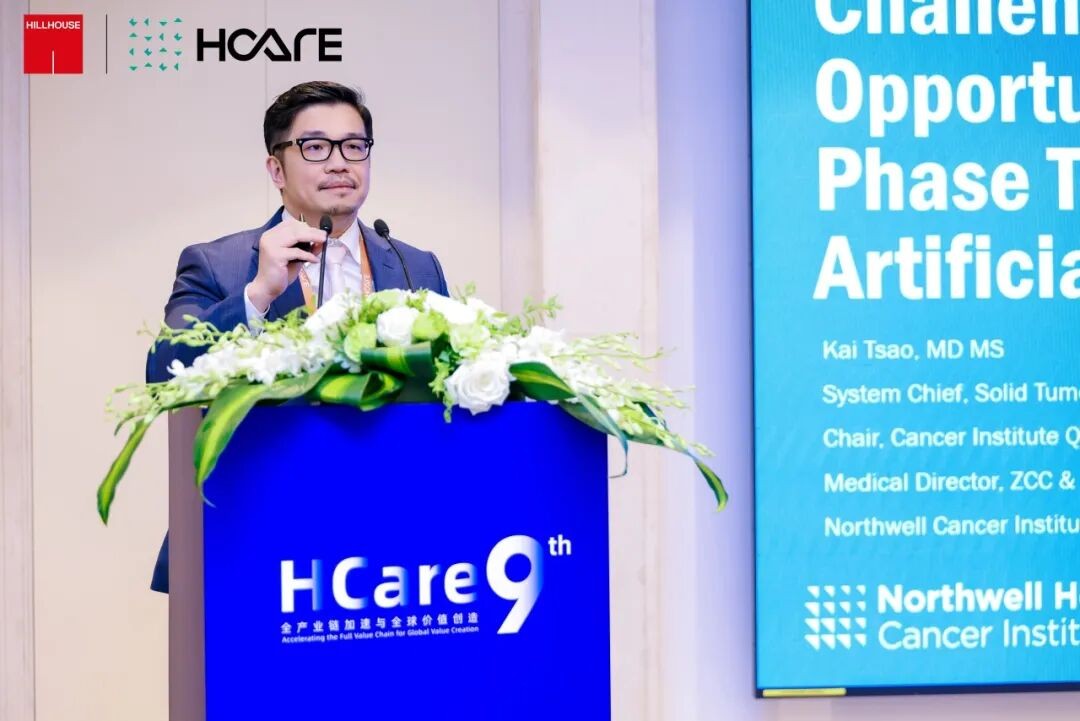
Professor Che-Kai Tsao
Professor Che-Kai Tsao, Medical Director of the Northwell Cancer Institute at Northwell Health, presented a keynote speech titled “Early Oncology Drug Development in the AI Era: New Challenges and Opportunities.” Beginning with the continuous improvement in patient survival benefits in oncology treatment in recent years, Professor Tsao systematically explained the industry transformation driven by the deep integration of artificial intelligence and modern clinical trial strategies within the evolving global oncology landscape. He also shared in detail the practical experience of the Northwell START Network in building a global early-stage oncology clinical research system.
Professor Tsao stated that as precision medicine and biomarker-driven research continue to advance, AI is rapidly integrating into critical stages including drug discovery, dose prediction, toxicity assessment, patient screening, data monitoring, and clinical trial operations. This transformation is driving early oncology drug development from traditional experience-based approaches toward data- and model-driven methodologies, improving proof-of-concept efficiency and clinical development success rates, while accelerating the journey of innovative therapies from laboratory to patient care with greater precision and efficiency.
Global Perspectives Converge to Discuss Paradigm Innovation in Early Clinical Research
As global innovative drug development increasingly shifts toward early clinical value validation and globally coordinated development, the FIH-to-POC stage is evolving from a traditional milestone in the R&D chain into a central hub connecting translational innovation, clinical development, and global industrial collaboration.
How to further improve proof-of-concept efficiency, optimize global collaborative development pathways, and accelerate the clinical translation of original innovations has become an important direction in the evolution of the global life sciences innovation ecosystem.
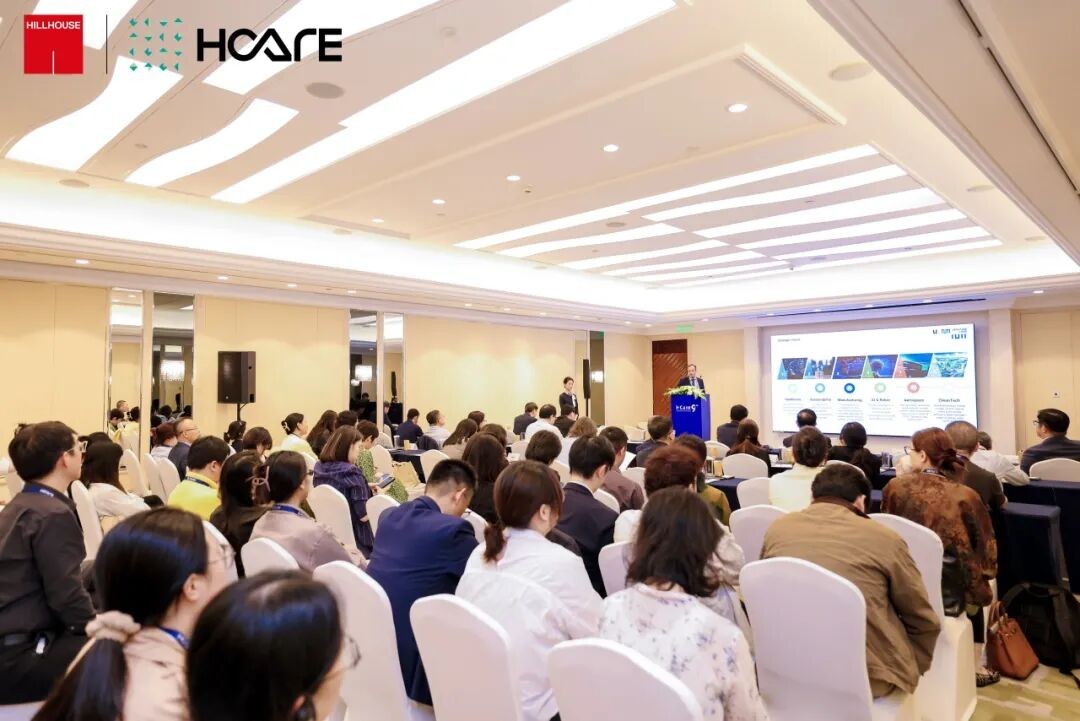
Event Highlights
The sub-forum attracted more than 200 life sciences professionals from China and abroad. Attendees included representatives from universities and research institutes, clinical research organizations, innovative biotech companies and multinational pharmaceutical companies, industrial platforms, and investment institutions, covering areas such as basic research, clinical translation, innovative R&D, and industrial collaboration.
In-depth discussions and exchanges among participants from diverse academic backgrounds and industry roles fully demonstrated that the global life sciences innovation ecosystem is rapidly moving toward a new stage characterized by greater openness, collaboration, and integration.
The journey from FIH to POC is becoming one of the most critical stages of value transformation in the global competition for innovative drug development.
At this important stage of accelerated evolution in global life sciences innovation, enhancing early clinical research capabilities, optimizing global collaborative development pathways, and promoting the efficient clinical translation of original scientific achievements have become key priorities shared by the global industry.
It is hoped that the industry insights and innovative consensus generated through this forum will further promote in-depth communication and cooperation in early clinical research, translational innovation, and collaborative development across the global life sciences field, accelerating the transition of more innovations from laboratory to clinic and from regional breakthroughs to global applications, ultimately bringing more innovative treatment possibilities to patients worldwide.


