







Overview
Red blood cells (RBCs) are the most abundant cellular component in the bloodstream. Their primary function is to transport oxygen from the lungs to tissues throughout the body and return carbon dioxide to the lungs for exhalation. When the number, structure, or function of RBCs becomes abnormal, a group of conditions collectively known as “red blood cell disorders” may occur.
These disorders are common within hematologic diseases and encompass abnormalities in quantity (such as anemia and erythrocytosis) as well as structural or functional defects (such as sickle cell disease and G6PD deficiency). Causes may involve genetic factors, nutritional deficiencies, chronic illnesses, bone marrow dysfunction, or immune abnormalities.
Major Categories
- Anemia: iron-deficiency anemia, megaloblastic anemia, aplastic anemia, myelodysplastic syndromes, hemolytic anemia
- Erythrocytosis: polycythemia vera (JAK2 mutation–related), secondary erythrocytosis (hypoxia or elevated erythropoietin)
- RBC enzyme deficiencies: G6PD deficiency
- Inherited RBC disorders: sickle cell disease, thalassemia
- Other rare RBC disorders: paroxysmal nocturnal hemoglobinuria (PNH)
Clinical Manifestations
Symptoms primarily result from tissue hypoxia or RBC destruction. Common signs include:
- Persistent fatigue, dizziness, palpitations, shortness of breath
- Pale complexion or jaundice
- Splenomegaly and bone pain (especially in inherited anemias)
- Frequent infections (in some cases accompanied by neutropenia)
- Dyspnea at rest or worsening during exertion
- Severe cases may present with heart failure, syncope, or altered consciousness
Treatment Options
Treatment strategies are individualized based on underlying causes, severity, complications, and patient-specific factors. Overall goals are to correct anemia, reduce hemolysis and related complications, improve quality of life, and achieve disease modification or cure whenever possible.
Etiologic Treatment
- Iron supplementation or vitamin replacement (B12, folate), along with determining and correcting the cause of deficiency or blood loss
- Use of medications to stimulate erythropoiesis in chronic disease–related anemia
- Addressing contributing factors such as inflammation or medication-related issues
Supportive and Symptomatic Care
- RBC transfusion: used when anemia is significant and symptomatic
- Iron chelation therapy: essential for patients requiring long-term or frequent transfusions to prevent iron overload and protect vital organs such as the heart
- Infection prevention: routine vaccinations and daily protective measures to lower infection risk
Hematopoietic Stem Cell Transplantation (HSCT)
For conditions such as severe thalassemia and sickle cell disease, HSCT is one of the most promising curative approaches. With GoBroad’s personalized assessment and treatment planning, many patients have achieved stable, more independent lives.
Even for rare disorders such as Diamond-Blackfan anemia (DBA), GoBroad’s advanced transplant techniques and extensive experience have enabled increasing numbers of patients to regain health and embrace new futures.
Gene Therapy
Gene therapy has gained approval for select indications in certain countries and regions, or is accessible through clinical trials. Treatment decisions require comprehensive evaluation of feasibility, availability, and the need for long-term follow-up.
Long-term management of RBC disorders relies on thorough etiological evaluation (including laboratory testing, genetic analysis, and imaging when needed), individualized treatment planning, and sustained monitoring for complications—such as iron overload, bone disease, cardiovascular issues, and endocrine abnormalities.
Why Choose GoBroad?
As a leading hematology center, GoBroad Healthcare Group provides innovative therapies to help improve your chances of successful treatment.
GoBroad is committed to delivering cutting-edge treatment options, including the latest small-molecule agents, biologics, world-class hematopoietic stem cell transplantation techniques, and rapidly developing gene therapies. These advanced approaches are redefining care for patients with severe anemia, hemolytic disorders, and other refractory RBC diseases—opening new pathways toward recovery and long-term remission.
In Addition, We Offer:
1. A Leading Expert Team with Extensive Experience
Our experts have more than 30 years of clinical and research experience, with strong diagnostic and therapeutic capabilities. The team is among the highest-volume centers nationwide for RBC disorder management.
2. Advanced Diagnostic Platforms for Precision Evaluation
Our diagnostic system integrates immunology, molecular genetics, next-generation sequencing, and other technologies to comprehensively cover all RBC disorders. Combining expert clinical insight with cutting-edge platforms, GoBroad achieves internationally leading diagnostic accuracy and efficiency.
3. Established Treatment Systems and Access to Advanced Therapies
We combine standardization with personalization to deliver outcomes that rank among the best in China and meet international standards. GoBroad leads new drug development and therapeutic innovation, tackling complex and rare cases and providing precise, targeted treatment plans.
Our Achievements
Breakthrough in Long-Term Cure for Diamond-Blackfan Anemia (DBA)
Using TCRαβ T-cell–depleted HSCT (TDH transplantation), GoBroad achieved 100% overall survival (OS) and 100% disease-free survival (DFS) at 5 years in DBA patients.
First-Line Innovation for Severe Aplastic Anemia (SAA)
GoBroad pioneered the combination of the small-molecule TPO receptor agonist hetrombopag with standard immunosuppressive therapy (IST) as first-line treatment. This approach significantly improved hematologic response rates and shortened time to response.
- Median time to first hematologic response: 87 days (combination) vs. 141 days (placebo)
New Precision Therapy Pathway for Autoimmune Hemolytic Anemia (AIHA)
GoBroad identified SYK as a novel therapeutic target for warm-antibody AIHA and demonstrated that the SYK inhibitor sovleplenib achieved:
- 67% overall hematologic response
- 48% sustained response
- 95% of patients transfusion-independent after 5 weeks, improving quality of life significantly
The efficacy data are derived from published studies and GoBroad Healthcare Group’s long-term follow-up results. For medical reference only. Individual outcomes may vary depending on disease type and treatment plan. Please consult with a qualified physician for a personalized treatment strategy.
Patient Stories
On August 31, 2026, the Anemia Diagnosis and Treatment Center at Beijing GoBroad Boren Hospital, part of GoBroad Healthcare Group (GoBroad), issued China’s first in-hospital prescription of iptacopan hydrochloride tablets (brand name: Yishining®), a domestically developed oral Factor B inhibitor, for an adult patient with paroxysmal nocturnal hemoglobinuria (PNH) who had not previously received complement inhibitor therapy.
Iptacopan hydrochloride was approved in China in June 2026. The first in-hospital prescription at Beijing GoBroad Boren Hospital marks the introduction of this new complement-targeted treatment option into routine hospital-based clinical practice for eligible patients with PNH.

First in-hospital prescription: improvement in hematologic parameters after treatment
The first patient was a woman in her 50s. In April 2026, following an episode of gastroenteritis, she noticed dark-colored urine and developed fatigue. Tests at a local hospital showed a hemoglobin level in the 80 g/L range together with an elevated reticulocyte percentage. Further investigations confirmed a diagnosis of PNH.
After diagnosis, the patient reviewed available treatment options, including intravenous C5 inhibitors and oral complement-pathway inhibitors. Following the approval of iptacopan hydrochloride, she visited the Anemia Diagnosis and Treatment Center at Beijing GoBroad Boren Hospital.
After a comprehensive clinical assessment, Dr. Liping Jing and her team determined that the patient met the approved treatment criteria. An outpatient prescription was issued in early July, and on August 31, the team issued China’s first in-hospital prescription.
After more than one month of treatment, the patient’s hemoglobin increased from the 80 g/L range to 144 g/L. Lactate dehydrogenase (LDH) decreased from nearly 2,000 U/L to within the normal reference range, while the reticulocyte count also returned to the normal range. Taken together, these laboratory findings indicated improved control of hemolysis and improvement in anemia compared with baseline.
On the same day, the team issued a second prescription of iptacopan hydrochloride for another patient with PNH. This patient had been diagnosed with aplastic anemia five years earlier and later developed classic PNH. Despite previous treatment, hemoglobin had remained at approximately 100 g/L. After a specialist reassessment and more than one month of treatment with iptacopan hydrochloride, the hemoglobin level increased to 150 g/L, with improvement in anemia-related parameters.
These cases reflect the clinical outcomes of individual patients under specialist evaluation and treatment. They should not be interpreted as predicting the same response in all patients.
From intravenous therapy to oral treatment: expanding options for PNH
PNH is a rare acquired clonal hematopoietic stem cell disorder and is included in China’s first national list of rare diseases. Loss of glycosylphosphatidylinositol (GPI)-anchored proteins on affected blood cells makes them vulnerable to complement-mediated destruction, which may lead to intravascular hemolysis, anemia, hemoglobinuria and thrombosis.
With the development of complement-targeted therapies, the management of PNH has become increasingly individualized.
C5 inhibitors act downstream in the complement cascade and primarily suppress complement-mediated intravascular hemolysis. Iptacopan hydrochloride targets Factor B in the alternative complement pathway, acting at an upstream point in the pathway and providing another mechanism-based treatment option for PNH.
The drug is administered orally twice daily, offering a different mode of administration from intravenous complement inhibitors and expanding treatment choices for patients requiring long-term disease management.
Dr. Jing noted that disease manifestations, prior treatment, complication risks and long-term management needs vary considerably among patients with PNH. The availability of therapies with different mechanisms and routes of administration allows physicians to develop more individualized treatment strategies following a comprehensive assessment.
Accelerating access to new therapies for rare blood disorders
Approval is only the first step in bringing an innovative therapy into clinical practice. Timely hospital evaluation, formulary access, pharmacy management and structured follow-up are equally important in ensuring appropriate use.
As a hospital within GoBroad Healthcare Group with a strong focus on hematologic diseases, Beijing GoBroad Boren Hospital has continued to strengthen its processes for the evaluation, introduction, clinical use and long-term monitoring of innovative therapies for rare blood disorders.
The first in-hospital prescription of iptacopan hydrochloride was issued just over two months after the drug’s approval in China. Supported by GoBroad’s hematology expertise, pharmacy management system and research-oriented medical platform, its hospitals continue to facilitate the structured introduction of new treatment options into clinical practice.
Dr. Jing said: “For patients with a rare disease such as PNH, having more treatment options allows physicians to better tailor therapy to each patient’s disease characteristics, prior treatment and long-term management needs. Once a new therapy enters clinical practice, appropriate use, response monitoring and long-term follow-up remain essential.”
From regulatory approval to the first in-hospital prescription in China, new treatment options are entering PNH clinical practice at an increasingly rapid pace. GoBroad will continue to follow advances in rare hematologic diseases and support the appropriate integration of clinically meaningful innovations into real-world care, with the aim of expanding individualized treatment options for patients.


Recently, Mr. W from Zhanjiang, Guangdong, visited the GoBroad Chunfu Institute of Hematology & Oncology (GoBroad Healthcare Group)together with his wife to present a commemorative banner to Director Zeng Yuanying and her medical team. Their heartfelt gesture expressed deep gratitude for the successful treatment that ended his nine-year struggle with a debilitating illness. The moment symbolized not only appreciation but also the beginning of a renewed and healthier life.
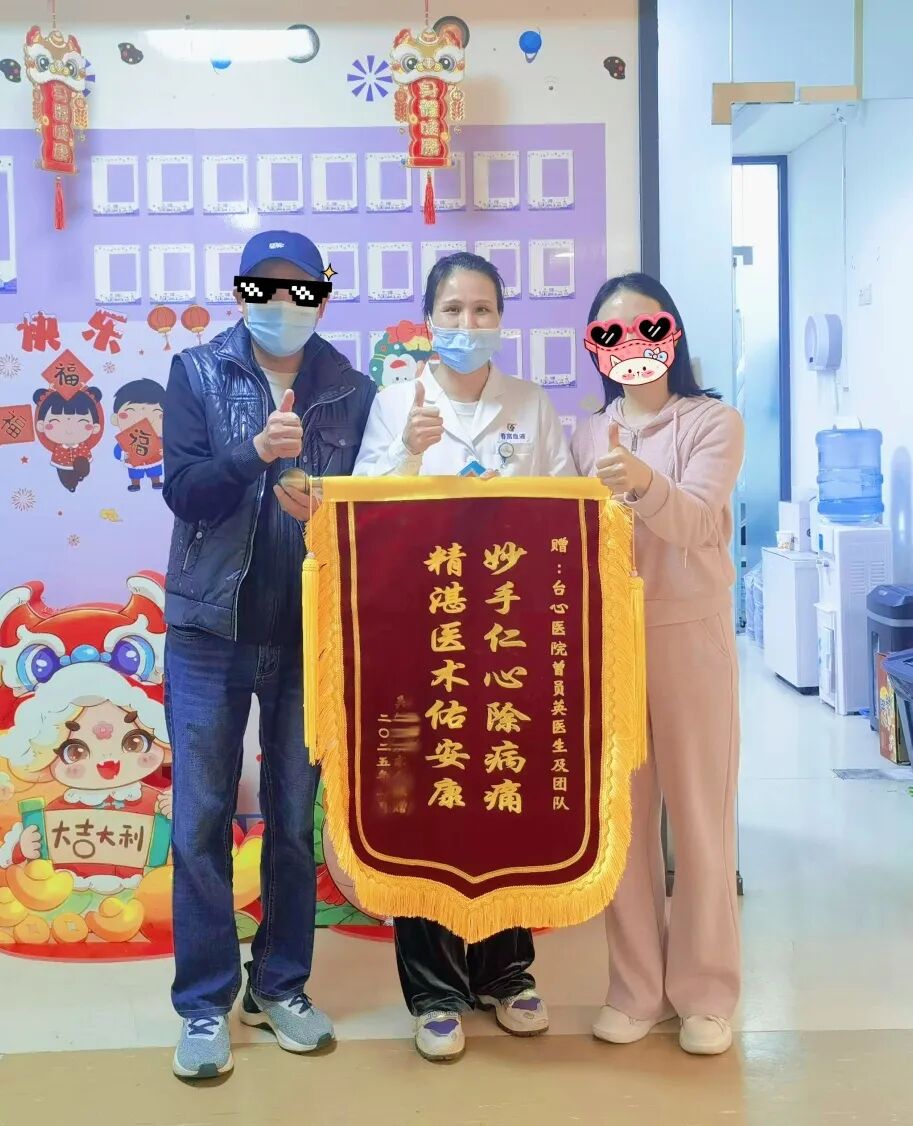
Mr. W’s battle with paroxysmal nocturnal hemoglobinuria (PNH) began nine years ago. At the time, he frequently experienced fatigue and shortness of breath, symptoms he initially dismissed as the result of heavy workloads. However, instead of improving, his condition progressively worsened until one day his urine turned a “soy-sauce” color—a warning sign he could no longer ignore. Tests performed at a local hospital confirmed a diagnosis of paroxysmal nocturnal hemoglobinuria combined with aplastic anemia (AA), a rare acquired clonal hematopoietic stem cell disorder characterized by intravascular hemolysis, bone marrow failure, and a high risk of thrombosis. For years, he relied on steroids and intermittent blood transfusions, but his hemoglobin remained between 50–60 g/L. Constant weakness and fatigue significantly limited his daily activities and quality of life.
In early 2024, Mr. W’s condition suddenly deteriorated. Hemolytic episodes increased, his hemoglobin dropped below 40 g/L, abdominal pain became more frequent, and his need for transfusions grew. As a schoolteacher, he researched his options and learned that paroxysmal nocturnal hemoglobinuria combined with aplastic anemia can potentially be cured through allogeneic hematopoietic stem cell transplantation (allo-HSCT). A matching evaluation revealed that his brother was a fully compatible donor. Acting on the recommendation of fellow patients, he sought treatment at the GoBroad Chunfu Institute.
After a comprehensive assessment, Director Zeng proposed two treatment paths: lifelong complement inhibitor therapy to control symptoms, or a sibling-matched allogeneic stem cell transplant aimed at achieving a cure. Following careful consideration, Mr. W and his family decided to proceed with the transplant. Before transplantation, he received eculizumab, which effectively reduced hemolysis and raised his hemoglobin to 94 g/L, significantly improving his overall condition.
On October 15, 2024, Mr. W was admitted to the transplant unit for conditioning therapy, and on October 24, he received peripheral blood stem cells donated by his brother. During the post-transplant period, he experienced several complications—including pulmonary infection, mucosal ulcers, abdominal pain, headaches, and fever—common challenges for patients with compromised immunity. Throughout this period, Director Zeng and her medical team closely monitored his progress and continuously adjusted his treatment plan to guide him through the critical stages of transplant recovery. With expert care and unwavering family support, Mr. W’s blood counts steadily improved. On November 15, he met all discharge criteria and successfully left the transplant unit.
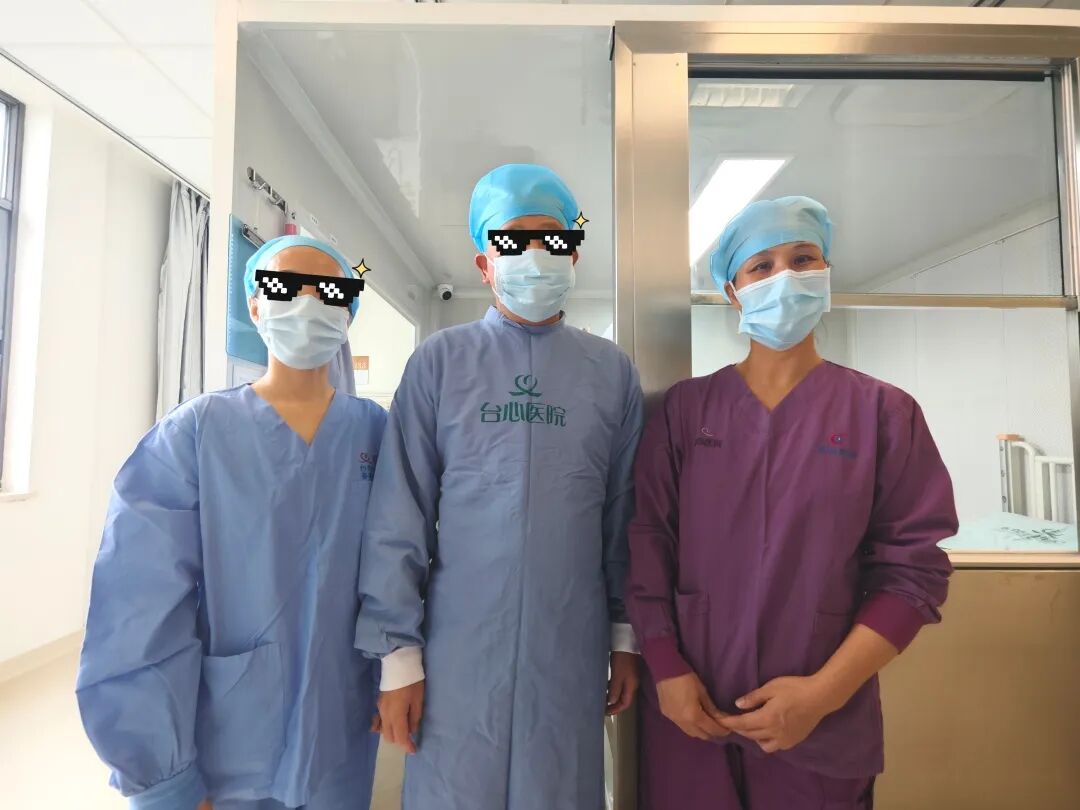
Reflecting on his case, Director Zeng noted that while modern complement inhibitors have expanded therapeutic options for paroxysmal nocturnal hemoglobinuria, their effectiveness remains limited for patients with concurrent aplastic anemia. Even in the era of targeted complement therapy, allogeneic stem cell transplantation remains the only curative treatment for PNH.
Today, Mr. W is recovering well and gradually regaining his strength. The banner he presented serves not only as a token of appreciation but also as a testament to the expertise, dedication, and compassionate care of the medical team at the GoBroad Chunfu Institute of Hematology & Oncology.
A Difficult Start to Life
Just five days after birth in May 2020, Keke showed severe signs of anemia. After multiple hospital visits, she was diagnosed with congenital pure red cell aplasia (PRCA), a rare blood disorder requiring long-term care.
For the next four years, her life revolved around regular blood transfusions and steroid treatment.
Despite her parents’ best efforts, Keke remained unusually small and thin, and the frequent trips to the hospital became part of her childhood.
The increasing steroid doses gradually changed her appearance, affecting not only her body, but also her confidence.
Searching for Hope: A Mother’s Determination
Keke's mother recalls the early struggle:
“When she was diagnosed, she was only three months old. She had even been admitted to the ICU because of severe anemia. We had no long-term plans then—just one hope: for Keke to grow up safely.”
They tried multiple treatments. Some worked briefly, but none brought lasting improvement.
Three Stages of Treatment
Before age one, Keke relied entirely on regular transfusions.
Each session brought short relief, but her underlying condition did not improve, and her transfusion dependence grew.
At around age one, doctors recommended steroid therapy. After eight months—just when the family’s hope was fading—her hemoglobin began to rise. It felt like a miracle.
But the medication regimen was challenging: monthly blood tests, nighttime dosing to maintain drug levels, and difficulty adding new supportive medications.
Despite their best efforts, after three years of therapy, Keke still required transfusions, and the steroids caused a pronounced “moon face.”
Her parents realized: Continuing this way was no longer sustainable. Transplantation became our only path forward.
A Life-Changing Decision: Hematopoietic Stem Cell Transplantation
In the summer of 2025, Keke’s family turned to the GoBroad Chunfu Hematology & Oncology Institute(GoBroad Healthcare Group).
With the support of its expert medical team, Keke underwent hematopoietic stem cell transplantation (HSCT)—a treatment that offered her the possibility of curing PRCA.
She received stem cells from her older sister on August 26, and successfully left the transplant isolation unit on September 22.
Those 30 days in the sterile unit became a period of physical and emotional transformation for the entire family.
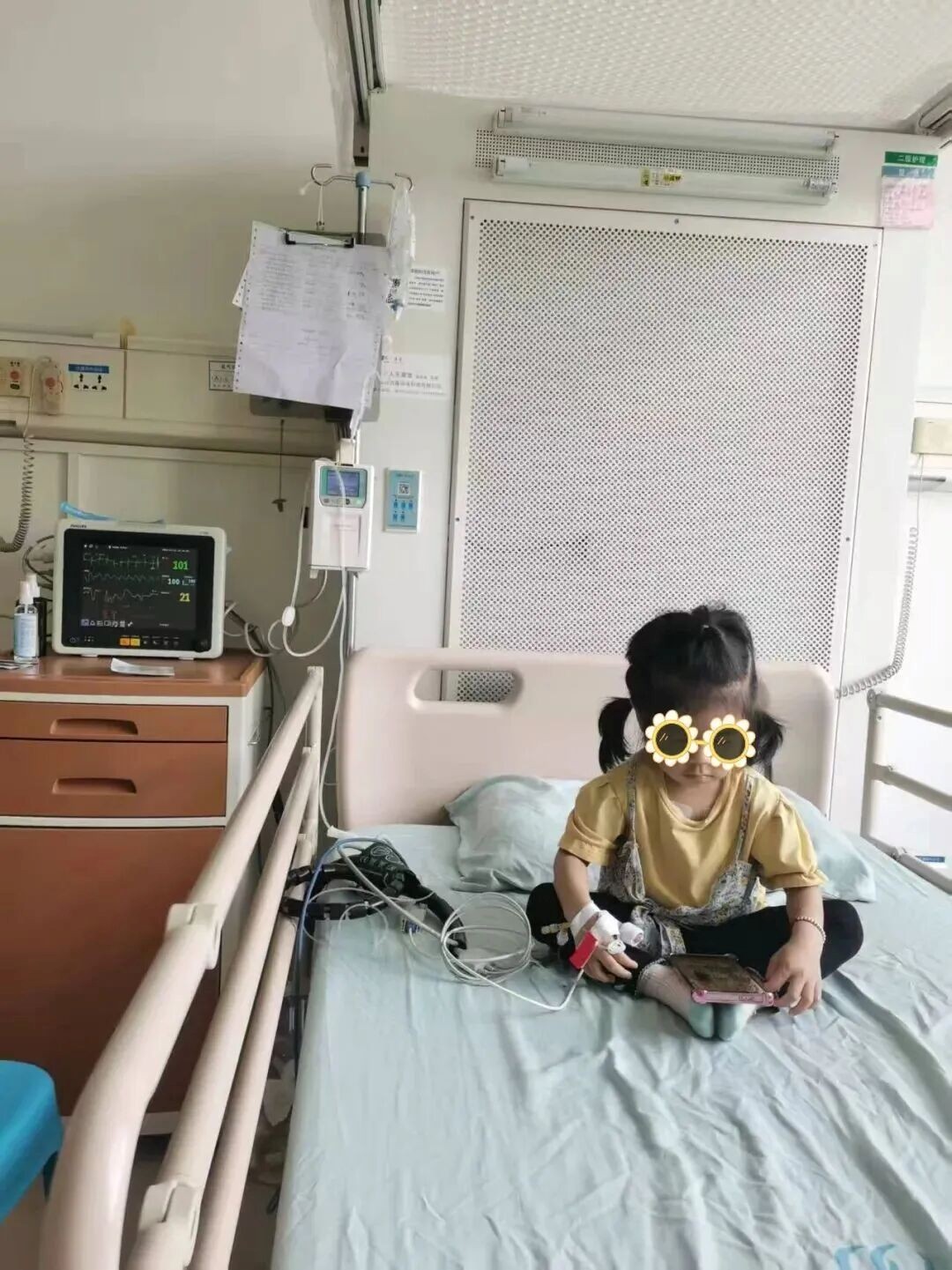
Overcoming the Most Difficult Moments
During the first days in isolation, Keke experienced fever and diarrhea due to chemotherapy, making her irritable and uncomfortable.
Her mother remembers:
“The hardest part wasn’t the care itself—it was watching my child suffer and not being able to take the pain away.”
The medical team guided and supported her, helping her stay calm and learn how to care for Keke during treatment.
Day by day, Keke’s condition improved, giving her mother renewed confidence.
A Gradual Transformation After Transplant
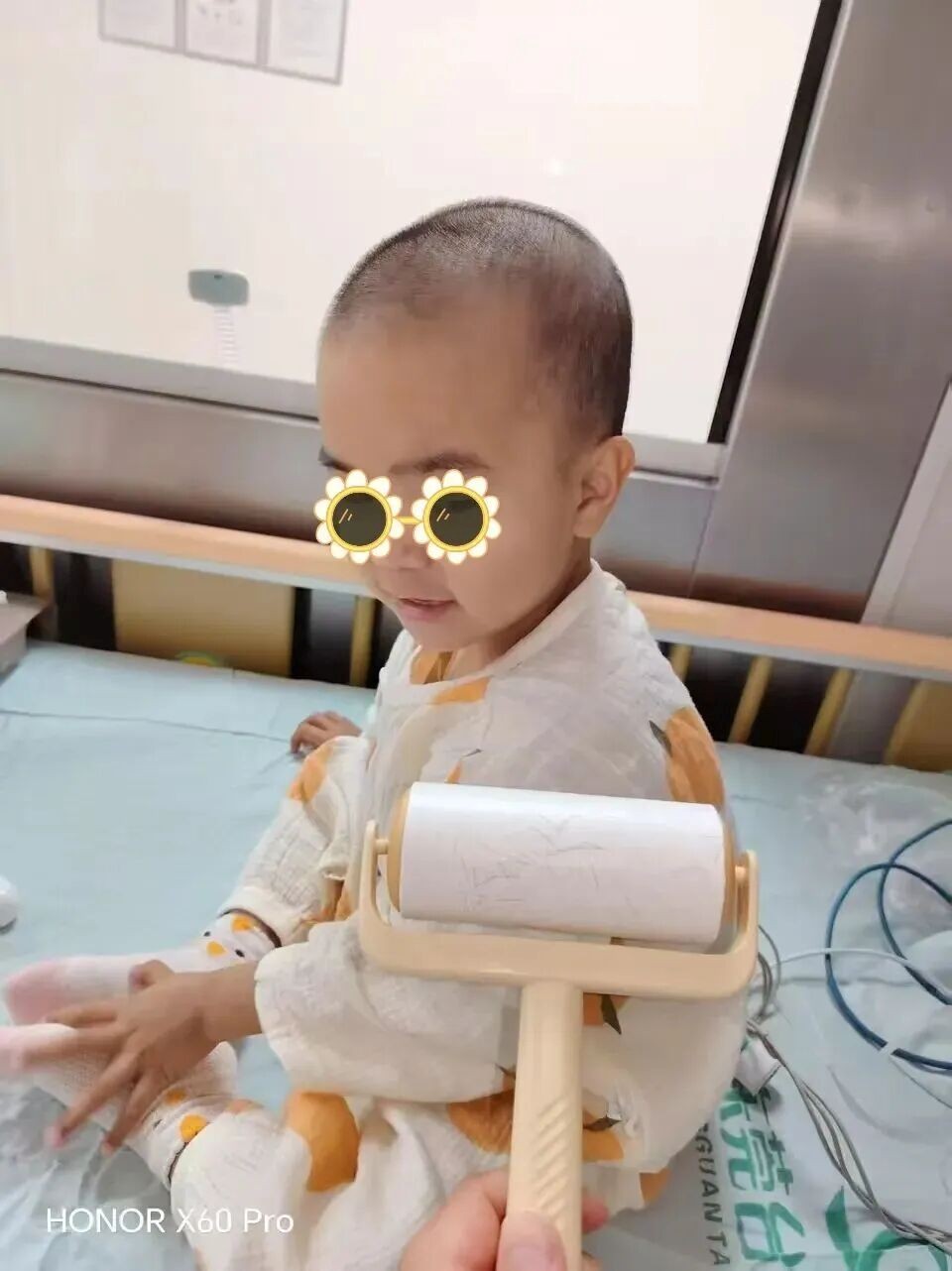
More than a month after leaving the unit:
- Her “steroid face” disappeared
- Her cheeks became rosy
- She grew lively and cheerful again
- She stopped asking, “Why am I different from others?”
Her mother reflects:
“Only then did I realize how deeply anemia affected her—both physically and emotionally. I'm grateful that she was born at a time when medicine could give her a future. As long as we never give up, there is always hope.”


