



10-Year-Old Girl with Relapsed T-ALL Achieves Sustained Remission After Donor-Derived CD5 CAR-T Therapy
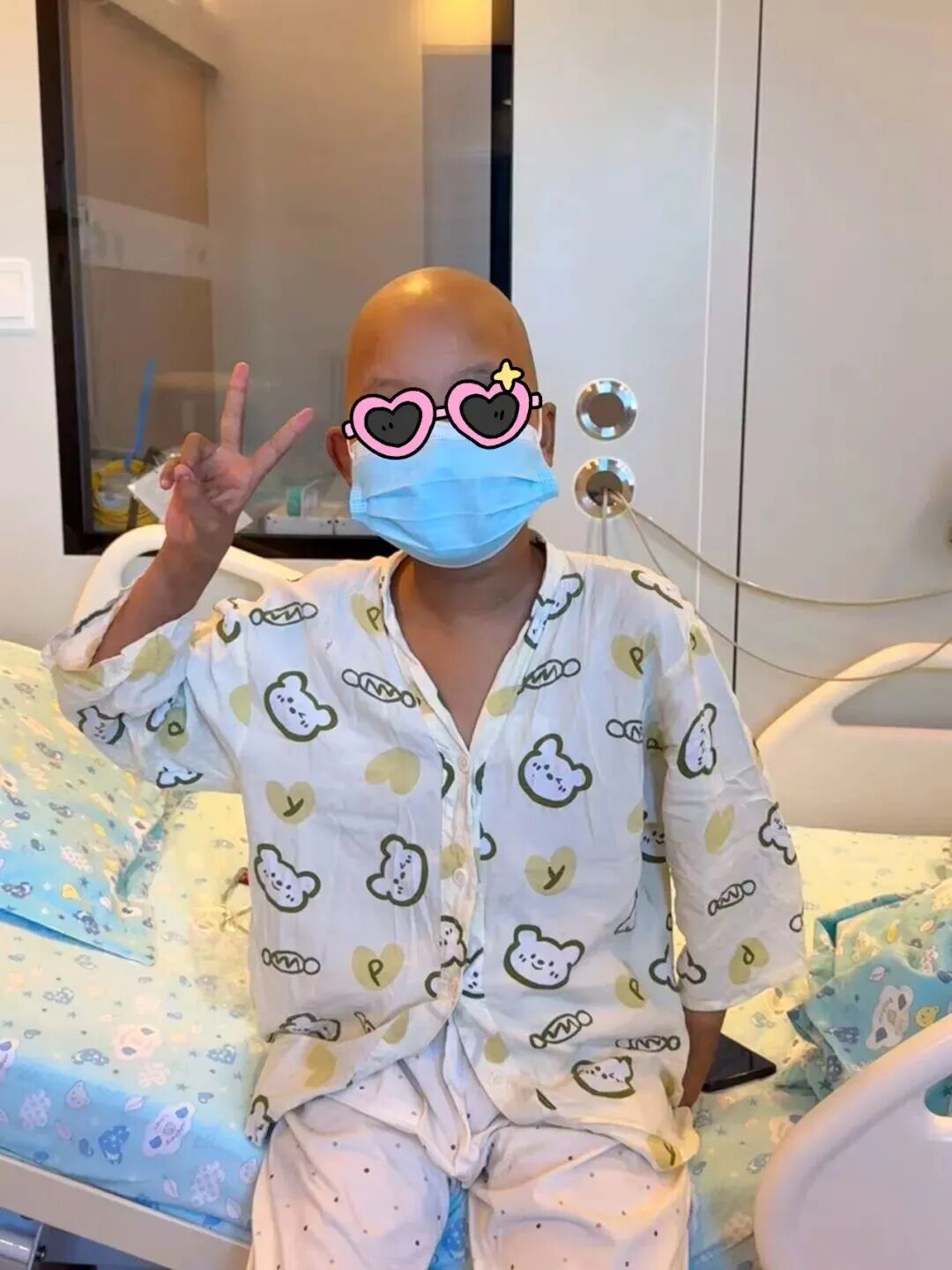
2026-8-16On July 20, 2026, 10-year-old Yumiao received encouraging news: her bone marrow and cerebrospinal fluid tests were negative by flow cytometry and fusion gene testing, donor chimerism in peripheral blood had reached 100%, and her leukemia remained in remission.
It was an important milestone after a difficult journey through relapse, disease progression, CAR-T therapy and stem cell transplantation.
When Leukemia Returned
Yumiao was diagnosed with T-cell acute lymphoblastic leukemia (T-ALL) in May 2022 and initially achieved remission with chemotherapy. In March 2025, however, the leukemia relapsed and was considered high risk. Despite further chemotherapy, her disease continued to progress.
By April 2026, bone marrow MRD testing showed 92% abnormal immature cells with a T-lineage immunophenotype. Repeated intensive treatment had also left her severely immunocompromised, with profound neutropenia, recurrent fever and multiple infections.
Searching for another option, Yumiao’s family came to Beijing GoBroad Hospital, part of GoBroad Healthcare Group, where she was evaluated by Dr. Jing Pan and her team.
Although the disease was aggressive, Yumiao’s major organ function remained relatively well preserved. After a comprehensive assessment, the team decided to proceed with donor-derived CD5 CAR-T therapy.
Dr. Pan’s team had previously conducted a phase I clinical study of donor-derived CD5 CAR-T therapy for relapsed or refractory T-ALL. Published in Nature Medicine, the study reported that all treated patients achieved complete remission or complete remission with incomplete blood count recovery by day 30, with no severe graft-versus-host disease (GVHD) observed.
Complete Remission in 14 Days
Yumiao was admitted on April 11, 2026. Before CAR-T treatment could begin, the team first addressed her severe immunodeficiency and multiple infections.
Her father served as the cell donor. After lymphocyte collection and conditioning therapy, Yumiao received donor-derived CD5 CAR-T cells on April 24 at a dose of 1.0 × 10⁶ cells/kg.
Fourteen days later, bone marrow and cerebrospinal fluid assessments showed complete remission.
With the leukemia under control, Yumiao moved on to hematopoietic stem cell transplantation. On May 20, she received a fully matched unrelated-donor peripheral blood stem cell transplant and left the transplant unit 23 days after admission.
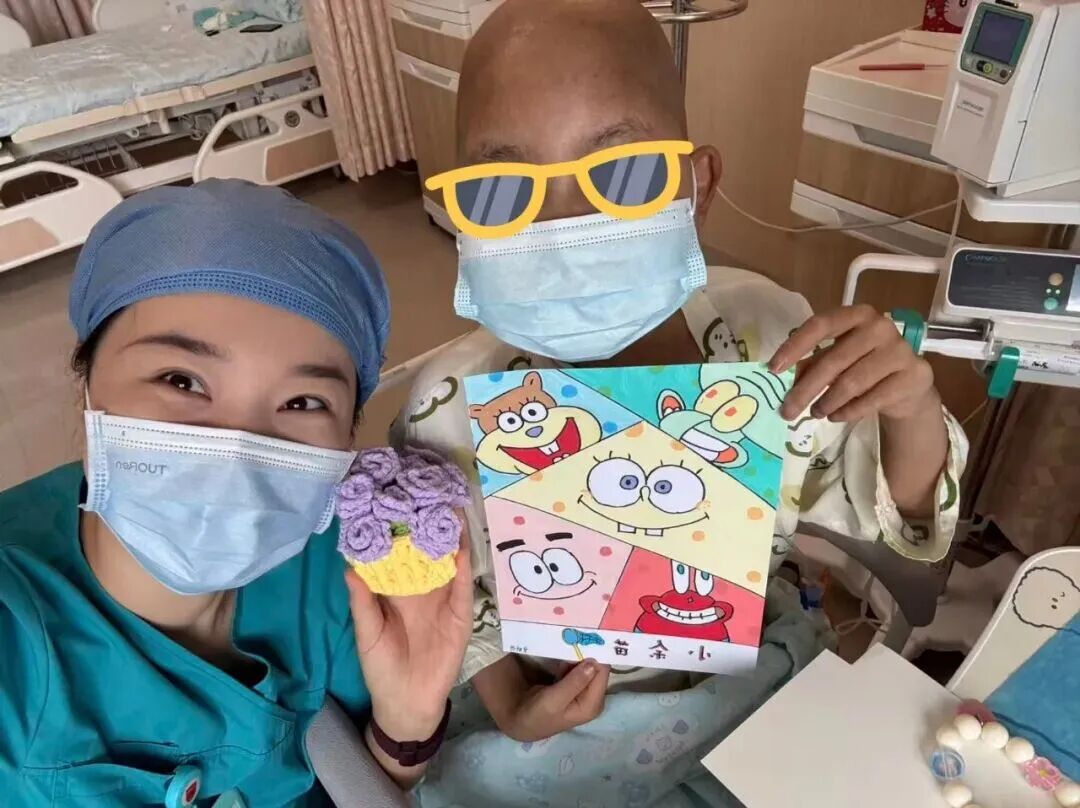
Throughout treatment, Yumiao often made miniature snacks from colored paper—French fries, chips and cakes—to pass the time when her diet was restricted.
By July 20, her leukemia remained in remission and peripheral blood donor chimerism had reached 100%.
Behind those reassuring test results is a 10-year-old girl looking forward to returning to the ordinary joys of childhood—including tasting the real treats she once recreated from paper.