




Five Years in Complete Remission: An 11-Year-Old Girl’s CAR-T Journey After Relapsed B-ALL
2026-9-2In August 2026, five years had passed since Xiaoxiao received sequential CAR-T cell therapy for relapsed B-cell acute lymphoblastic leukemia (B-ALL).
Since treatment, she has remained in complete remission. Today, at 11 years old, she has returned to school, resumed everyday activities, and continues regular follow-up.
For Xiaoxiao and her family, this five-year milestone marks an important chapter in a treatment journey that began when she was just over two years old.
From Diagnosis to Relapse
Xiaoxiao was diagnosed with B-ALL in 2017 after developing symptoms including pallor and increased irritability. Bone marrow examination and immunophenotyping confirmed the diagnosis.
She subsequently underwent more than three years of chemotherapy. During treatment, repeated bone marrow assessments remained negative, and chemotherapy was discontinued in March 2020.
However, during a follow-up examination in August 2021, bone marrow testing revealed 25.6% lymphoblasts, confirming disease relapse.
Her family began exploring further treatment options and eventually traveled to Beijing for additional evaluation.
Sequential CD19/CD22 CAR-T Treatment
At Beijing GoBroad Hospital, part of GoBroad Healthcare Group, Dr. Pan Jing and team reviewed Xiaoxiao’s complete treatment history and assessed her disease status, previous therapy, tumor burden, and overall condition.
Following a comprehensive evaluation, the team considered her suitable for CAR-T cell therapy and developed a sequential CD19/CD22 CAR-T treatment strategy after initial reduction of disease burden.
Why Sequential CAR-T?
CAR-T therapy has become an important treatment option for relapsed or refractory B-ALL. However, relapse after treatment remains a clinical challenge, including relapse associated with antigen escape.
To address this issue, Dr. Pan Jing’s team has continued to explore sequential CAR-T strategies targeting both CD19 and CD22.
By targeting two different antigens in sequence, the strategy aims to broaden antileukemic activity and reduce the risk of relapse related to changes in target antigen expression.
The timing between the two infusions is also carefully planned according to treatment response, safety, and the patient’s overall clinical condition.
Five Years in Complete Remission
From August 2021 to August 2026, Xiaoxiao remained in complete remission throughout long-term follow-up.
Her follow-up assessments have remained stable, marking an important five-year milestone after CAR-T therapy.
For patients receiving CAR-T treatment, long-term outcomes depend not only on the cell therapy itself, but also on disease status before treatment, treatment timing, management of adverse events, supportive care, and continued follow-up.
Dr. Pan Jing and her team have extensive clinical experience in CAR-T therapy for children with relapsed or refractory acute lymphoblastic leukemia, with an emphasis on individualized treatment planning and continuous assessment throughout the course of care.
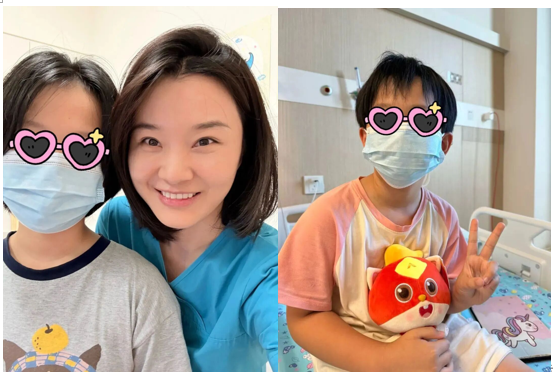
Back to Everyday Life
Today, Xiaoxiao is 11 years old.
Her height and weight have gradually caught up with those of her peers. She attends school normally, spends time with friends, and continues regular medical follow-up.
For her family, the significance of the past five years goes beyond stable test results. A child who spent much of her early childhood undergoing leukemia treatment has been able to return to school, family life, and the ordinary experiences of growing up.
*This article is based on the real treatment experience of a patient and has been published with the authorization of her family. “Xiaoxiao” is a pseudonym used to protect patient privacy.
*Disclaimer: This article is intended for general health information and patient experience sharing only. Individual disease conditions, treatment responses, and outcomes may vary. Treatment decisions should be made by qualified medical professionals based on each patient’s specific clinical condition.


