<iframe src="https://www.googletagmanager.com/ns.html?id=GTM-KNJ24DXQ" height="0" width="0" style="display:none;visibility:hidden"></iframe>
Dr. Yonghong ZHANG

Dr. Yonghong ZHANG

  • Chief Physician, Professor
  • Medical President, Beijing GoBroad Boren Hospital
  • Director, Department of Pediatric Hematology & Oncology, Beijing GoBroad Boren Hospital
  • Former Director, Lymphoma Department, Beijing Children’s Hospital, Capital Medical University
Request an Appointment

About the Doctor

Dr. Yonghong Zhang is a foundational pioneer in the field of pediatric lymphoma in China, with more than 40 years of clinical and research experience in pediatric hematologic oncology. Since joining the Hematology Department of Beijing Children’s Hospital in 1983, she has accumulated extensive expertise in the diagnosis and treatment of pediatric leukemia, lymphoma, and a wide range of childhood malignancies. As the founding director of the Lymphoma Department at the National Center for Children’s Health (Beijing Children’s Hospital, Capital Medical University), she established the first dedicated pediatric lymphoma specialty unit in China, elevating national diagnostic and treatment standards to internationally advanced levels.

In 2017, Dr. Zhang founded the China National Childhood Lymphoma Cooperative Group (CNCL) and served as its inaugural chair. Through national collaborative research, she spearheaded the adoption of internationally aligned, refined risk-stratified treatment strategies in China, raising the overall cure rate for pediatric lymphoma to 80–90%, a major milestone with significant international impact.

Dr. Zhang has led numerous national and provincial research projects and has published more than 120 papers in leading journals such as Blood and Blood Advances. She has also authored or co-authored 10 professional books and has been invited to deliver keynote presentations at major international academic conferences, reflecting her strong global academic influence. From 1999 to 2004, she served as a visiting scholar at world-renowned institutions including St. Jude Children’s Research Hospital (USA), Prince of Wales Hospital / Chinese University of Hong Kong, and the Pediatric Department of MD Anderson Cancer Center (USA).

Areas of Expertise

  • Precision diagnosis and individualized risk-stratified treatment of pediatric lymphoma
  • Comprehensive diagnosis and management of pediatric hematologic malignancies (leukemia, lymphoma, etc.)
  • Innovative therapeutic strategies for relapsed/refractory lymphoma
  • Development of internationally standardized treatment models for pediatric oncology
  • Multidisciplinary team (MDT) management for pediatric hematology and oncology

Contact information and location

Whatsapp
+86 15901185120
Address
Block A/B/C,Longwei Square,Jitong East Road,Fengtai District,Beijing,China

Related reading

Early response observed in pediatric patients with relapsed/refractory Burkitt lymphoma treated with chimeric antigen receptor T cells

Wenqun Zhang,Jing Yang,Chunju Zhou,Bo Hu,Ling Jin,Biping Deng,Yang Liu,Shan Wang,Alex H.Chang,Juan Du,Zifen Gao,Yonghong Zhang


TO THE EDITOR:

Burkitt lymphoma(BL)is a highly aggressive B-cell non-Hodgkin lymphoma(NHL),which accounts for 40%to 50%of pediatric NHL in nonendemic areas and~80%of pediatric B-NHL in the developed world.The prognosis for patients with BL has improved dramatically in the past few decades with the use of intensive short courses of non-cross-resistant chemotherapy agents determined by the patient risk stratification.The prognosis has been further improved by the recent introduction of rituximab.Nevertheless,the prognosis for pediatric patients with relapsed/refractory(r/r)BL remains dismal,with an average overall survival rate of 25%or lower.


Refer to the original:https://doi.org/10.1182/blood.2019002008

View
Beijing Boren Hospital Expert Team Shines at the 8th International Conference on Childhood, Adolescent, and Young Adult Non-Hodgkin Lymphoma (CAYA-NHL)

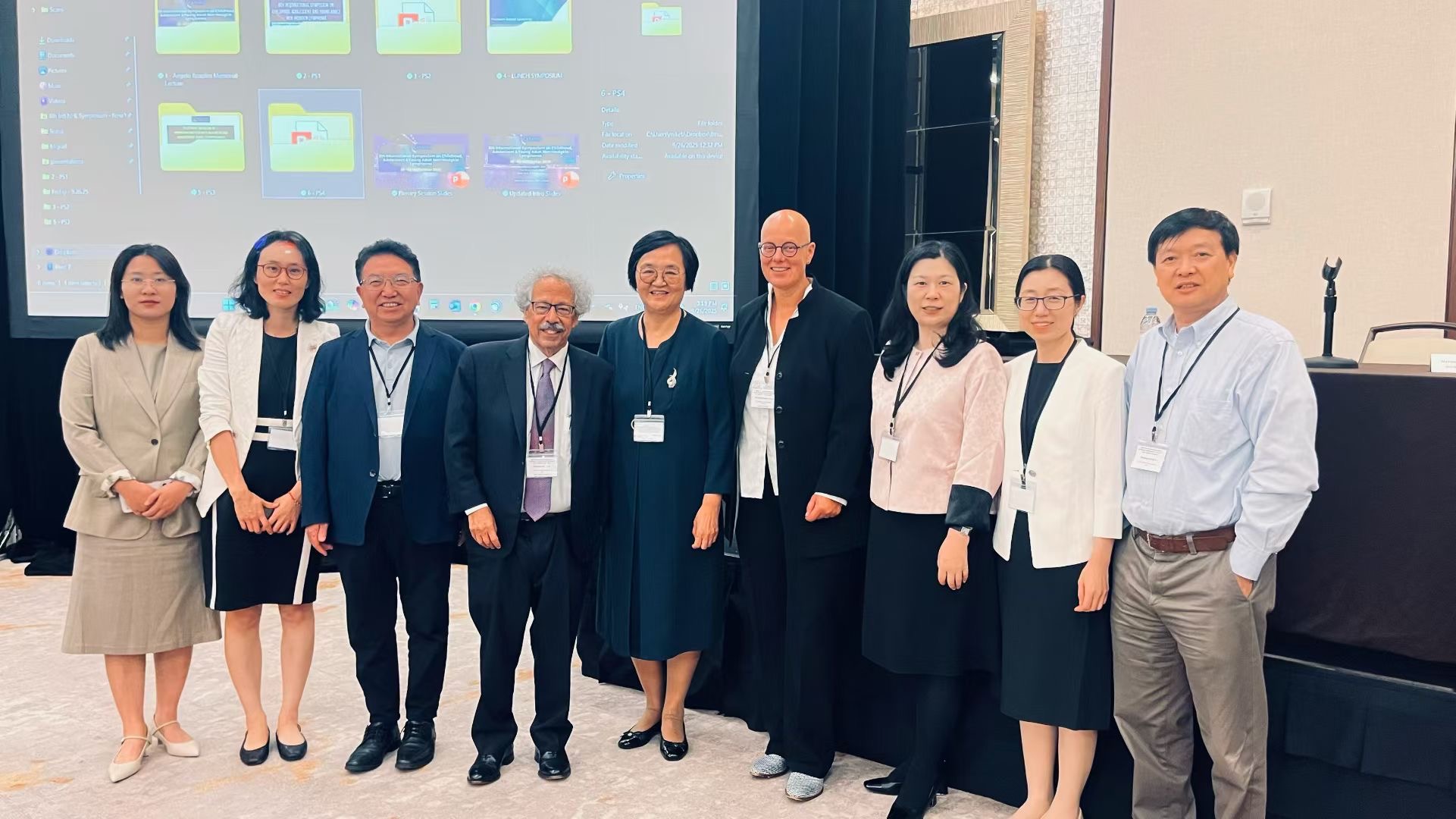
From September 26 to 28, the 8th International Conference on Childhood, Adolescent, and Young Adult Non-Hodgkin Lymphoma (CAYA-NHL) was grandly held in New York, USA, gathering more than 300 top pediatric lymphoma experts and scholars from 25 countries around the world. The expert team from Beijing GoBroad Boren Hospital delivered an outstanding performance at this prestigious international academic forum.

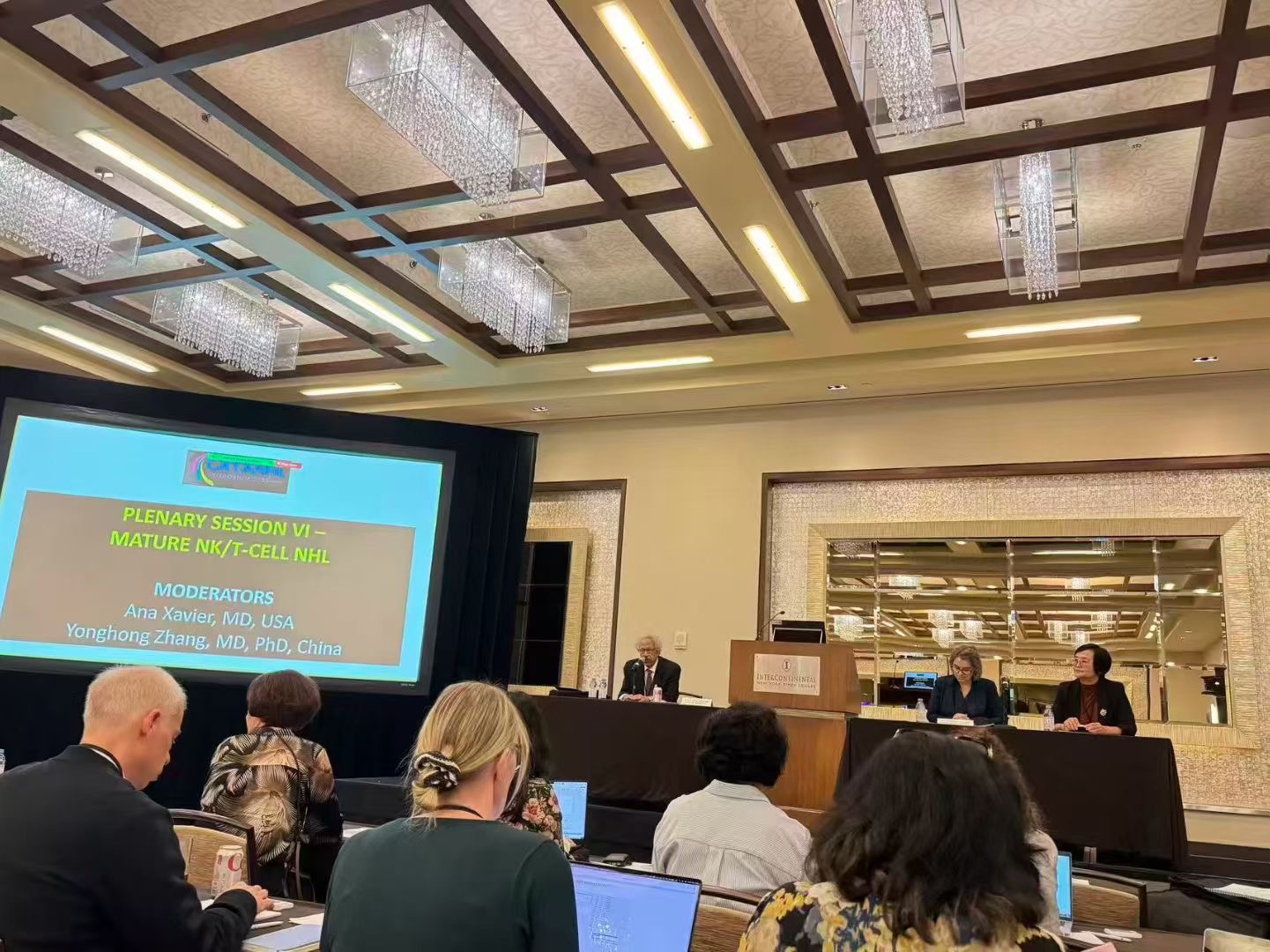
Professor Yonghong Zhang, Medical Director of GoBroad Healthcare Group Beijing GoBroad Boren Hospital and Head of Pediatric Hematology/Oncology, was invited as the only expert from China to join the conference presidium and serve as a session chair, a remarkable honor that reflects the global academic community's recognition of her professional authority.

In addition, Professor Qinlong Zheng from GoBroad Diagnostic Center and the Molecular Diagnostics Laboratory of Beijing GoBroad Boren Hospital delivered an excellent plenary presentation. His research on “Molecular profiling and its prognostic impact of Chinese pediatric patients with T-cell Lymphoblastic Lymphoma” was recognized as internationally leading. The study received high praise from attending experts and was cited multiple times in other conference lectures. Two additional studies from Boren Hospital were selected for poster presentation, further demonstrating the hospital's robust research capabilities and growing international influence in the field of hematologic oncology.
 

An International Leader in Pediatric Oncology

Professor Yonghong Zhang, Medical Director and Head of Pediatric Hematology/Oncology at Beijing GoBroad Boren Hospital, has devoted more than 40 years to the field of pediatric hematologic malignancies, building extensive clinical experience and profound academic expertise. She was among the first in China to implement internationally aligned precision-stratified chemotherapy protocols, which have increased the cure rate of pediatric lymphoma to 80–90%, reaching advanced international standards.

As a highly productive scholar, Professor Zhang has published over 140 papers as first or corresponding author in top journals such as Blood and Blood Advances, and has served as chief editor of 10 professional monographs, underscoring her remarkable academic achievements. She has also conducted fellowships and academic exchanges at world-renowned institutions, including St. Jude Children's Research Hospital, the Prince of Wales Hospital (Hong Kong), and the MD Anderson Cancer Center (USA), broadening her international perspective.

Her appointment as the only Chinese member of the CAYA-NHL presidium is not only a recognition of her individual excellence, but also a testament to the overall progress of China's pediatric lymphoma field on the global stage.
 

Scientific Excellence Showcased on the International Stage

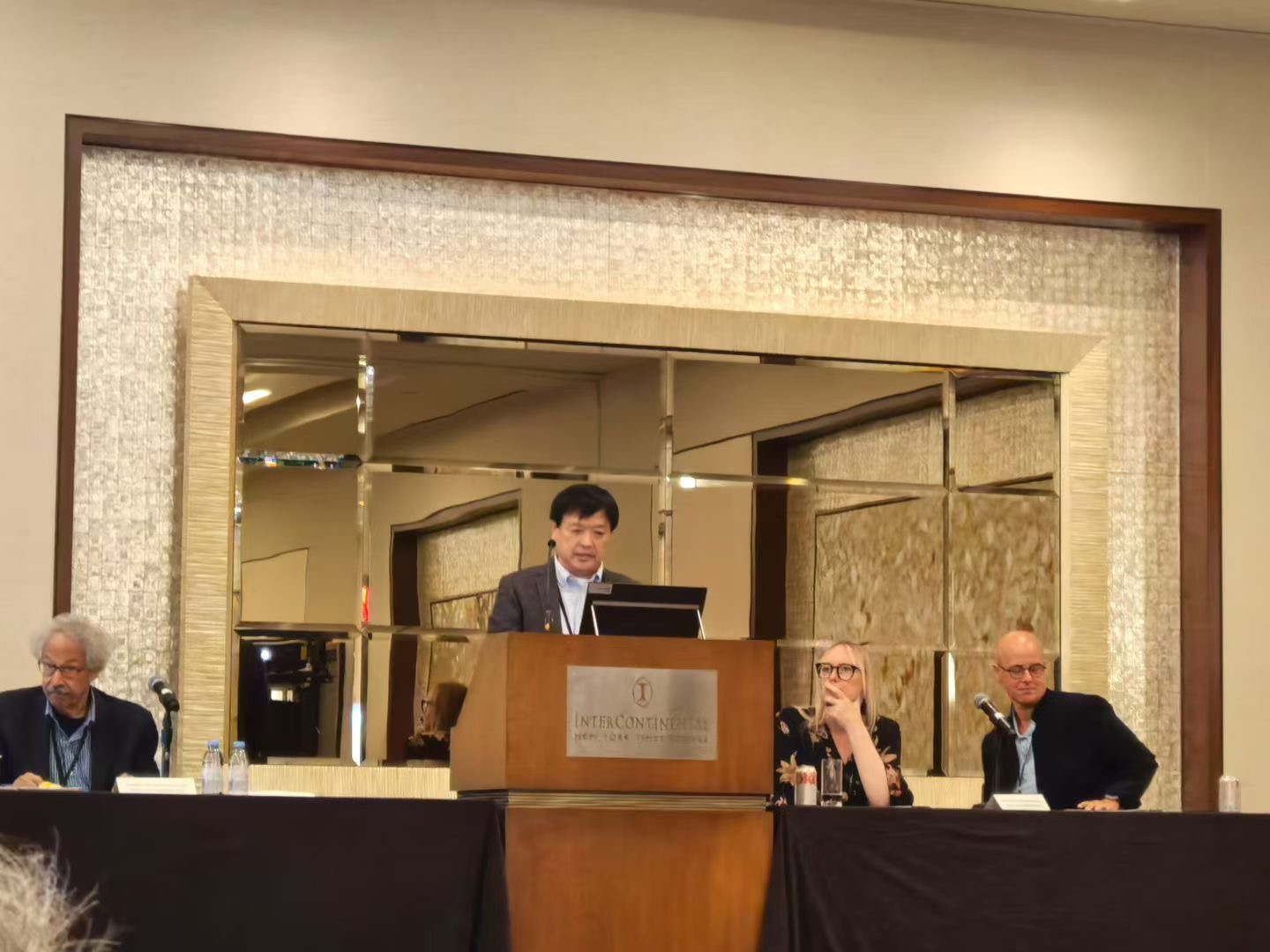
At the conference, Professor Qinlong Zheng of the GoBroad Diagnostic Center and Beijing GoBroad Boren Hospital's Molecular Diagnostics Laboratory delivered a plenary talk titled:“Molecular profiling and its prognostic impact of Chinese pediatric patients with T-cell Lymphoblastic Lymphoma.”

The study focused on the correlation between fusion/mutated genes and clinical prognosis in pediatric T-cell lymphoblastic lymphoma (T-LBL), identifying several gene fusions reported globally for the first time.

Following the presentation, experts engaged in in-depth discussion and highly commended the study's innovation and forward-looking value. Notably, the earlier phase of this research on NOTCH fusion genes in T-LBL has already been published, and several international experts cited it during their lectures at the meeting—further affirming its frontline position and academic influence worldwide.

This research offers new hope for improving prognosis and treatment outcomes for pediatric lymphoma patients globally, showcasing the emergence and leadership of Chinese medical research on the world stage and advancing international collaboration in healthcare innovation.
 

Poster Highlights: Frontier Studies Gain Wide Attention

In addition to the oral presentation, two research projects from Beijing Boren Hospital were featured as posters:
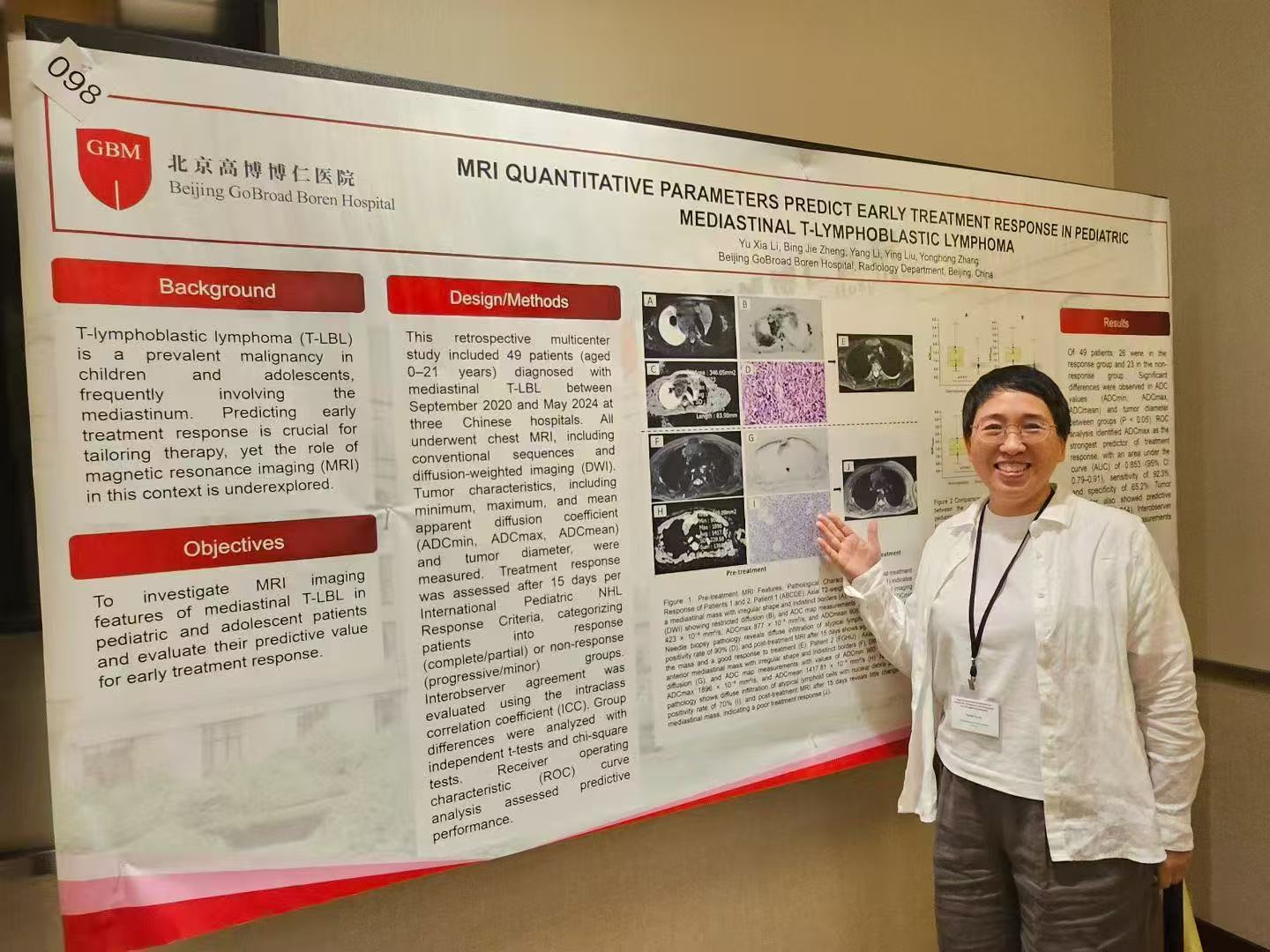
 Continuing to Drive Innovation and Global Collaboration

The brilliant performance of Boren Hospital expert team at this conference not only highlights the hospital's scientific strength and international influence in pediatric hematologic oncology but also provides new insights and treatment strategies for children with lymphoma worldwide.

Looking ahead, Beijing GoBroad Boren Hospital will continue to uphold the philosophy of “dual-driven development in clinical practice and scientific research,” fostering continuous exploration and innovation, and contributing greater wisdom and strength to the global fight against pediatric hematologic malignancies.

 

View
Dr. Yonghong Zhang: Germline Susceptibility Gene Testing as a Driver of Precision Diagnosis and Therapy in Pediatric Hematologic Malignancies

Professor Yonghong Zhang presented her team's profound insights and clinical experience on topics including the clinical value of germline susceptibility gene research and the optimization of precision therapy under molecular stratification. Her perspective offers important guidance for the future development of pediatric hematologic oncology.


Q1: In your view, what are the critical challenges currently facing pediatric hematologic oncology research? What novel approaches and methodologies are emerging?

Prof. Zhang: Refined precision therapy guided by molecular stratification represents a cutting-edge direction in hematologic oncology. The central question is how molecular subtyping can optimize individualized therapeutic strategies. Notably, while targeted and immunotherapies have already been widely incorporated into frontline regimens for adult hematologic malignancies, their application in pediatrics remains constrained by relatively lagging clinical trial progress.

With the rapid advancement of molecular biology technologies, the clinical potential of immunotherapy and targeted therapy in children is becoming increasingly evident. Treatment decisions informed by precise molecular profiling may enable rational reductions in chemotherapy dosage, thereby improving long-term quality of life and creating opportunities to explore innovative combinatorial regimens. Drawing upon an expanding body of clinical data from China, we are optimistic that targeted therapies will ultimately be incorporated into first-line pediatric protocols, benefiting a broader population of children.

Special clinical challenges arise in children with congenital anomalies complicated by hematologic malignancies, particularly in cases with T-cell or lymphocyte dysfunction. For example, lymphoma patients harboring mutations in hemophagocytic syndrome-related genes (e.g., PRF1, UNC13D) often present with hemophagocytosis, high relapse rates, and even coexistence of multiple lymphoma subtypes. Similarly, children with mismatch repair deficiencies exhibit profound intolerance to chemotherapy, heightened rates of treatment-related complications, and an increased risk of secondary malignancies. Addressing these challenges will depend heavily on the advancement of germline susceptibility gene research, which now enables clinicians to more accurately identify heritable predispositions and tailor individualized treatment strategies accordingly.


Q2: In refractory/relapsed pediatric lymphoma, which germline susceptibility genes has your team identified as being particularly significant? How do these mutations affect therapeutic response and prognosis?

Prof. Zhang: In clinical practice, certain children present with atypical pathological features and heterogeneous clinical manifestations at diagnosis. This is especially prominent in refractory and relapsed lymphoma cases, where it is essential to investigate underlying disorders, particularly immunodeficiency-related genetic predispositions.

Recent data from Beijing GoBroad Boren Hospital indicate that approximately 12% of refractory/relapsed lymphoma patients harbor pathogenic germline variants, with hemophagocytic syndrome-related mutations—especially UNC13D defects—being of particular importance. Such mutations impair lymphocyte antiviral and antitumor functions, markedly increasing the risk of relapse and the coexistence of multiple lymphoma subtypes. For instance, a child initially diagnosed with Burkitt lymphoma may subsequently develop Hodgkin lymphoma or NK/T-cell lymphoma following Epstein–Barr virus reinfection, reflecting the malignant transformation induced by defective lymphocytes in virus-infected B or T cells.

Accurate identification of germline susceptibility variants is therefore pivotal in guiding therapeutic strategies. Patients with mismatch repair deficiencies or germline TP53 mutations demonstrate poor tolerance to chemotherapy, higher rates of treatment-related complications, and significantly elevated risks of secondary cancers. Our team has observed cases of sequential occurrence of glioma and lymphoma, highlighting the necessity for dynamic surveillance systems.

Given these observations, individualized treatment strategies are imperative: once hematologic remission is achieved, early allogeneic hematopoietic stem cell transplantation should be considered to restore normal immune function. With ongoing advances in molecular biology, deeper investigation of germline susceptibility genes will support the development of precise prognostic models and individualized interventions. Early genetic risk screening combined with targeted and immunotherapeutic approaches is expected to substantially improve long-term survival and cure rates in these high-risk pediatric populations.


Q3: Looking ahead, what research directions in germline susceptibility gene studies for pediatric hematologic malignancies merit further exploration? What areas will your team prioritize?

Prof. Zhang: The management of pediatric lymphomas has entered the era of precision medicine. Earlier refinements based on pathological classification and risk-adapted stratification have significantly improved therapeutic outcomes. Current data indicate cure rates exceeding 90% for pediatric Hodgkin lymphoma and over 80% for non-Hodgkin lymphoma. Against this backdrop of high cure rates, research priorities are shifting toward the management of treatment-related toxicities—for example, reducing anthracycline exposure to mitigate cardiovascular toxicity and restricting radiotherapy indications to minimize long-term adverse effects.

At present, targeted and immunotherapies are primarily employed in second- or later-line settings. Our next research objective is to systematically refine treatment regimens for Chinese children across lymphoma subtypes, with the goal of integrating targeted therapies into frontline protocols. This strategy aims to reduce long-term toxicities while simultaneously enhancing long-term survival and quality of life.


View

We're here for you.

Get in touch.

We're here to make sure you are connected to the right people.

Request an Appointment