<iframe src="https://www.googletagmanager.com/ns.html?id=GTM-KNJ24DXQ" height="0" width="0" style="display:none;visibility:hidden"></iframe>
Dr. Baohui HAN

Dr. Baohui HAN

  • Chief Physician, Professor, PhD Supervisor
  • Honorary Vice President, Shanghai GoBroad Cancer Hospital, Affiliated to China Pharmaceutical University
Request an Appointment

About the Doctor

Dr. Baohui Han has devoted more than 40 years to the diagnosis, treatment, and clinical research of pulmonary diseases and lung cancer. He is one of the earliest experts in China to pioneer targeted therapy for lung cancer, molecular epidemiology of lung cancer, and immunotherapy-based combination strategies. He previously conducted postdoctoral research in tumor immunotherapy at the Cancer Institute of the University of Pittsburgh Medical Center, and upon returning to China, he continued to focus on precision diagnosis, differential diagnosis, multidisciplinary treatment, and biological immunotherapy and targeted therapy for lung cancer.

Dr. Han has led his team to complete more than one hundred clinical studies on novel lung cancer therapies, making significant contributions to the development of innovative anticancer drugs in China. His landmark studies—including the third-line treatment trial of the multi-target tyrosine kinase inhibitor anlotinib and the clinical research of a bevacizumab biosimilar—have driven major breakthroughs in lung cancer drug development. He has published over one hundred papers in top international journals such as New England Journal of Medicine, JAMA Oncology, and Lancet Oncology, and has served as chief editor of several major professional books, including Guidelines for the Diagnosis and Treatment of Lung Cancer.

Dr. Han has led major national scientific projects, received the State Council Special Allowance, and has been honored with numerous awards including the Chinese Medical Science and Technology Award, the Chinese Respiratory Physician Award, and the Chinese Pharmaceutical Association Science and Technology Innovation Award.

Areas of Expertise

  • Precision diagnosis, differential diagnosis, and comprehensive treatment of lung cancer
  • Evaluation and management of complex pulmonary nodules
  • Targeted therapy, immunotherapy, and combination strategies for advanced lung cancer
  • Clinical research of novel anticancer therapies
  • Multidisciplinary (MDT) decision-making and treatment planning for complex cases

Contact information and location

Whatsapp
+86 15901185120
Address
No.170,Taipei East Road,China(Shanghai)Pilot Free Trade Zone,Shanghai,China

Related reading

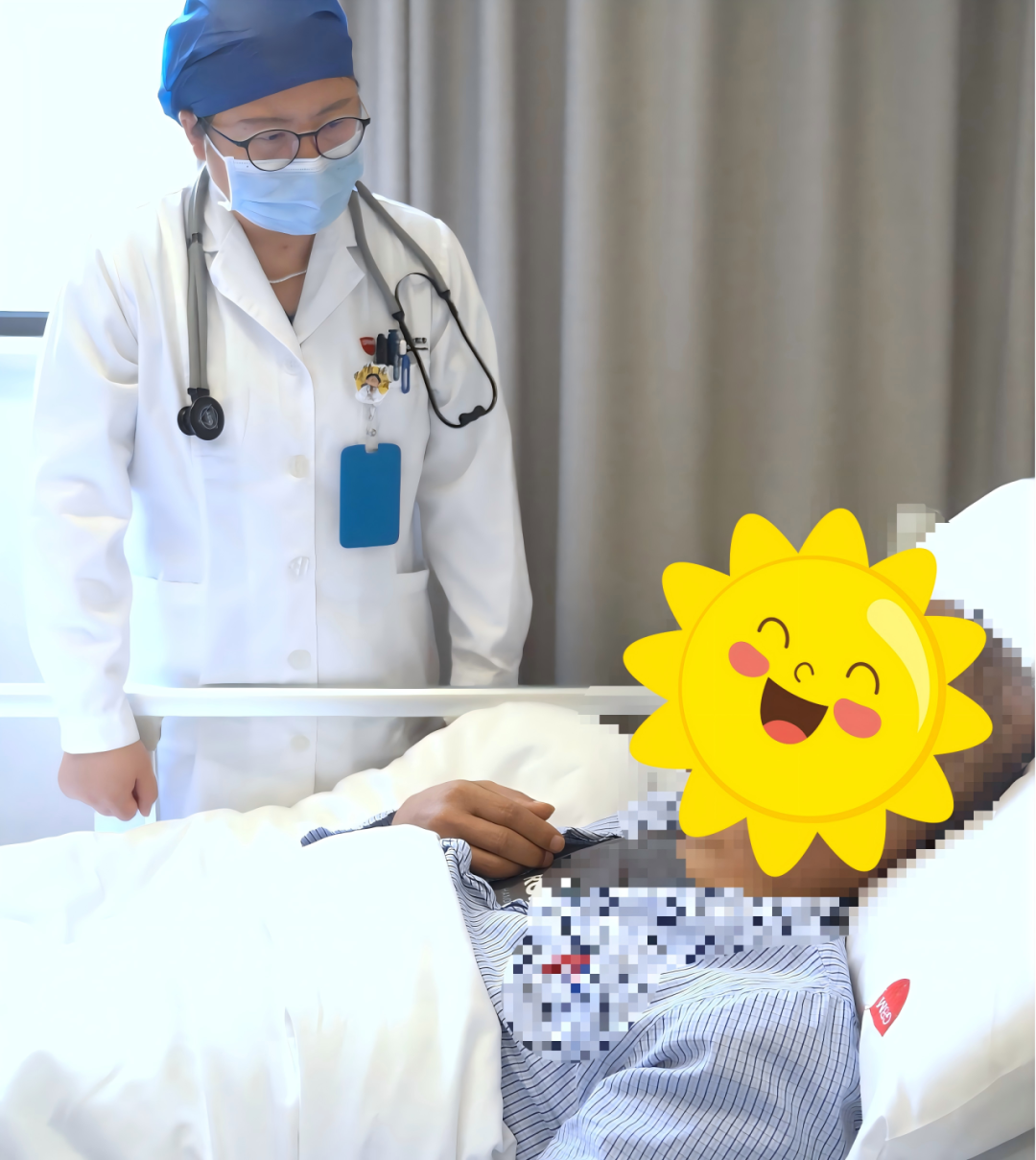
Mr. Fang, Chinese, lung cancer with leptomeningeal metastasis

A Challenging Beginning

Mr. Fang’s cancer journey began five years ago and has been marked by unexpected turns.

In September 2020, he was diagnosed with EGFR L858R–positive lung adenocarcinoma. He received targeted therapy, chemotherapy, and radiotherapy, which initially brought the disease under control.

Though the situation was difficult, Mr. Fang and his family remained committed to treatment and hopeful for progress.


Rare Histologic Transformation

In 2021, a repeat biopsy revealed a rare change: his disease had transformed into small-cell lung cancer with neuroendocrine features — a shift seen in only a small percentage of patients with lung cancer.

This transformation made treatment more complex.

During therapy, Mr. Fang experienced significant side effects, including:

  • Immune-related severe dermatitis
  • Elevated cardiac enzymes
  • Recurrent bone marrow suppression

Even during the toughest periods, he remained strong and determined.
His medical team monitored him closely and adjusted treatment to support him through each step.


Disease Progression

Over time, cancer spread to his bones, brain, liver, and lymph nodes.

With each new metastatic site, the care team reassessed his condition and worked with the family to explore the best possible treatment options.


A Serious Turn: Leptomeningeal Metastasis

In March 2025, Mr. Fang’s condition worsened suddenly.

He developed leptomeningeal metastasis, leading to:

  • Impaired consciousness
  • Weakness and paralysis
  • Rapid decline in daily functioning

It was an extremely challenging moment for him and his family.


Intrathecal Treatment: A Turning Point

A Careful and Compassionate Decision

The thoracic oncology team at GoBroad Shanghai Cancer Hospital, led by Director Li Shuang, decided that controlling intracranial disease was the immediate priority.

After discussing different approaches, the family chose lumbar intrathecal therapy, a safe and effective way to deliver medication directly into the cerebrospinal fluid.

Throughout the process, the care team offered patient guidance, reassurance, and continuous support.


A Remarkable Improvement

Within days of the first intrathecal injection:

  • Mr. Fang’s consciousness became clearer
  • He began engaging with his doctors again
  • By the third treatment, he could stand and walk with assistance

For his family, these changes were deeply meaningful — moments that brought comfort and renewed hope.


Comprehensive, Multidisciplinary Care

fter stabilizing his intracranial condition, Mr. Fang continued systemic therapy under a multidisciplinary team.

Doctors, nurses, and rehabilitation specialists worked closely to help him regain physical strength and restore his quality of life.

His family remained at his side, providing encouragement and emotional support throughout his recovery.


Looking Ahead

Mr. Fang’s experience reflects the importance of teamwork, medical expertise, and the strength of patients and families facing cancer together.

At GoBroad Healthcare Group, we remain committed to offering advanced treatment options grounded in compassion and respect.

We believe that continued progress in oncology will create more opportunities — and more hope — for patients like Mr. Fang.

View

We're here for you.

Get in touch.

We're here to make sure you are connected to the right people.

Request an Appointment