






Overview
Hematopoietic stem cells (HSCs) possess the ability to self-renew and differentiate into multiple blood cell lineages, producing red blood cells, white blood cells, and platelets. They are the core cells responsible for maintaining normal hematopoiesis and immune function. Hematopoietic stem cell transplantation (HSCT) replaces a patient’s abnormal or damaged hematopoietic system with healthy stem cells. Healthy stem cells—derived either from the patient or a donor—are infused into the body, where they engraft in the bone marrow and rebuild normal hematopoietic and immune function.
Globally, HSCT has been widely used to treat hematologic malignancies such as leukemia, lymphoma, and multiple myeloma. It is also an effective treatment for non-malignant hematologic disorders such as thalassemia, aplastic anemia, Diamond–Blackfan anemia, congenital and rare blood disorders, and certain solid tumors (e.g., yolk sac tumors). With continuous advances in technology, HSCT outcomes and safety have greatly improved, making it a key approach to achieving long-term survival—and even clinical cure—for many patients.
Applications of HSCT
At GoBroad, HSCT has developed into a mature and comprehensive clinical system. With extensive experience and standardized protocols, the GoBroad transplantation team applies HSCT to a wide range of conditions—including malignant hematologic diseases, non-malignant disorders, and multiple rare diseases—offering safe, effective, and individualized treatment for patients worldwide.
Major disease areas we treat include:
- Leukemia
- Lymphoma
- Multiple Myeloma
- Thalassemia
- Peripheral T-cell Lymphoma
- Primary Myelofibrosis
- Aplastic Anemia
- Paroxysmal Nocturnal Hemoglobinuria
- Diamond–Blackfan Anemia
- Systemic Lupus Erythematosus
Building on this foundation, GoBroad continues to push the boundaries of HSCT—creating safe and feasible pathways for elderly patients, those undergoing second transplants, and high-risk groups such as DSA-strong–positive patients, enabling many who were previously considered “ineligible for transplantation” to regain a chance at life.
Why Choose GoBroad?
Leading Technology and Comprehensive Systems
GoBroad International Medical Centers in Beijing, Shanghai, and Guangdong have established fully developed transplantation centers, forming an integrated HSCT system encompassing clinical treatment, scientific research, quality control, and long-term follow-up.
With more than 4,000 transplant cases, GoBroad has built a full-spectrum model—from pediatric to adult patients, and from newly diagnosed to relapsed disease—making it one of the most trusted high-complexity HSCT centers in China and beyond.
Multidisciplinary Collaboration and Innovative Strategies
GoBroad’s collaborative teams—spanning hematology, infectious diseases, imaging, pathology, immunology, and more—actively advance innovative combined approaches, such as CAR-T plus HSCT and TDH (TCRαβ-depleted HSCT). Breakthrough results have been achieved in refractory leukemia, thalassemia, lymphoma, and other conditions. These strategies significantly enhance the safety and long-term effectiveness of transplantation.
Individualized Protocols and Full-Cycle Safety Management
We follow a patient-centered approach, formulating precise conditioning regimens and individualized immune modulation based on disease type, treatment history, risk stratification, and age. Through rigorous donor screening, infection control, and complication management, we minimize transplant-related mortality (NRM), extend survival, and improve quality of life.
Our Achievements
CAR-T Bridging to Transplantation for Leukemia
- For relapsed/refractory B-ALL, CAR-T–induced MRD-negative remission followed by allogeneic HSCT resulted in 1-year OS of 84.8% and DFS of 77.8%.
- CAR-T bridging for R/R T-ALL/LBL achieved 2-year OS of 54.4% and DFS of 51.0%.
Autologous HSCT Combined with CAR-T for Lymphoma
- For R/R B-NHL, the combination achieved1-, 2-, 3-year PFS: 76.6%, 72.3%, 64.7%; 1-, 2-, 3-year OS: 91.5%, 73.9%, 66.0%
- For relapsed/refractory CNS lymphoma, the combined approach significantly prolonged PFS compared with control groups.
TDH Transplantation for Leukemia, Thalassemia, and Benign Diseases
- For refractory acute leukemia (children, adolescents, adults) treated with CAR-T + UCB + TDH triple therapy: OS 96%, DFS 96%.
- For severe thalassemia, GoBroad achieved the first global GTFS > 80%, surpassing international results.
- For Diamond–Blackfan Anemia: 5-year OS and DFS both 100%.
- GoBroad’s single-center TDH program for aplastic anemia, immunodeficiency, and other benign disorders achieved >90% overall success.
Second Allogeneic Transplant for Malignant Hematologic Diseases
- 1-year DFS: 72.5%
- 1-year OS: 80.6%
- NRM: 2.3%
All significantly superior to international benchmarks.
HSCT for Elderly Patients with Hematologic Malignancies
- 1-year OS: 61.8%
- 1-year DFS: 60.6%
- Long-term DFS at our center: 60%–65%
Salvage Transplantation for Refractory Leukemia
GoBroad performs salvage HSCT in 85% of indicated cases, with a 50% success rate—remarkable for this population.
Individualized HSCT Strategies for R/R Peripheral T-cell Lymphoma
Improved conditioning regimens (including ATG) and personalized strategies increased 2-year OS to ~70%, compared with historical outcomes of 20%–30%.
HSCT for Myelofibrosis
The team led by Professor Wang Chun pioneered allogeneic HSCT for myelofibrosis in China. Engraftment success and individualized conditioning elevated 5-year survival and cure rate to ~60%, vs. 45% with traditional low-intensity regimens.
Transplantation for DSA-Strong–Positive Patients
GoBroad was the first in China to treat HLA–donor-specific antibody (DSA)–strong positive patients without plasma exchange. Even with MFI ≥ 10,000, patients achieved successful engraftment and DSA clearance, gaining significant survival benefits.
The efficacy data are derived from published studies and GoBroad Healthcare Group’s long-term follow-up results. For medical reference only. Individual outcomes may vary depending on disease type and treatment plan. Please consult with a qualified physician for a personalized treatment strategy.
Related Reading
In hematopoietic stem cell transplantation (HSCT), infection, graft-versus-host disease (GVHD), and disease relapse remain the three major barriers to long-term survival and quality of life. The global goal is no longer limited to survival, but to achieving durable remission with a high quality of life.
Over the past five years, Professor Chunfu Li's team at GoBroad Institute of Hematology has treated nearly 500 patients using an optimized TCRαβ T-cell depletion transplantation approach (TDH protocol). Through continuous refinement, this strategy has demonstrated the ability to rebalance transplantation risks and benefits at a fundamental level.
Core Principle: Precision Cell Selection
HSCT aims to reconstruct a healthy hematopoietic and immune system through donor stem cells.
The key innovation of the TDH protocol lies in ex vivo precision cell selection. Before infusion, αβ T cells — the main drivers of severe GVHD — are selectively removed. This process reduces the risk of post-transplant immune complications at the source.
At the same time, beneficial immune cells such as γδ T cells and NK cells are preserved. These cells act as “natural immune effectors,” providing both anti-infective and anti-tumor activity.
Clinical Benefits: From Survival to Recovery
1. Low GVHD — Enabling Drug-Free Survival
A major advantage of TDH is the significantly reduced incidence of GVHD. In conventional transplantation, patients often require long-term immunosuppressive therapy, leading to multi-organ toxicity.
With TDH, many patients can avoid prolonged immunosuppression and GVHD-directed interventions, reducing treatment burden and enabling earlier return to a drug-free, higher-quality life.
2. Rapid Immune Reconstitution
The TDH protocol allows infusion of high-quality, high-dose CD34+ stem cells, leading to faster hematopoietic recovery.
Clinically, this results in:
- Shortened neutrophil and platelet engraftment time
- Reduced infection risk window
- Lower dependence on blood product transfusions
3. Reduced Relapse Risk
By preserving NK and γδ T cells, TDH maintains strong graft-versus-leukemia (GVL) effects.
Importantly, the reduced need for immunosuppressants allows these immune cells to function more effectively, improving disease control and reducing relapse risk.
Expanding Clinical Applications
TDH transplantation has demonstrated strong outcomes across multiple complex clinical scenarios:
- Severe β-thalassemia
EBMT 2024 reported >90% GVHD-free survival
- Relapsed/Refractory Pediatric ALL
OS 90.1%, LFS 83.2% (CAR-T followed by TDH)
- Elderly and High-Risk AML Patients
Successful cases up to 75 years old
- Primary Immunodeficiency (IEI)
100% OS and DFS in DBA cohort
Looking Ahead
From pediatric to adult patients, from benign to malignant diseases, TDH transplantation is redefining HSCT outcomes through its three core advantages: low GVHD, rapid immune recovery, and reduced relapse.
The experience of nearly 500 cases over five years is not the endpoint, but the foundation for further innovation aimed at meeting increasingly complex patient needs.


Blood cancers often require long and complex treatment journeys. Behind every patient's recovery is not only advanced medical care, but also the unwavering support of family. At GoBroad Healthcare group, many patients face these challenges with the help of their loved ones.
Mr. Xu and his wife, Mrs. Dai, are one such family.
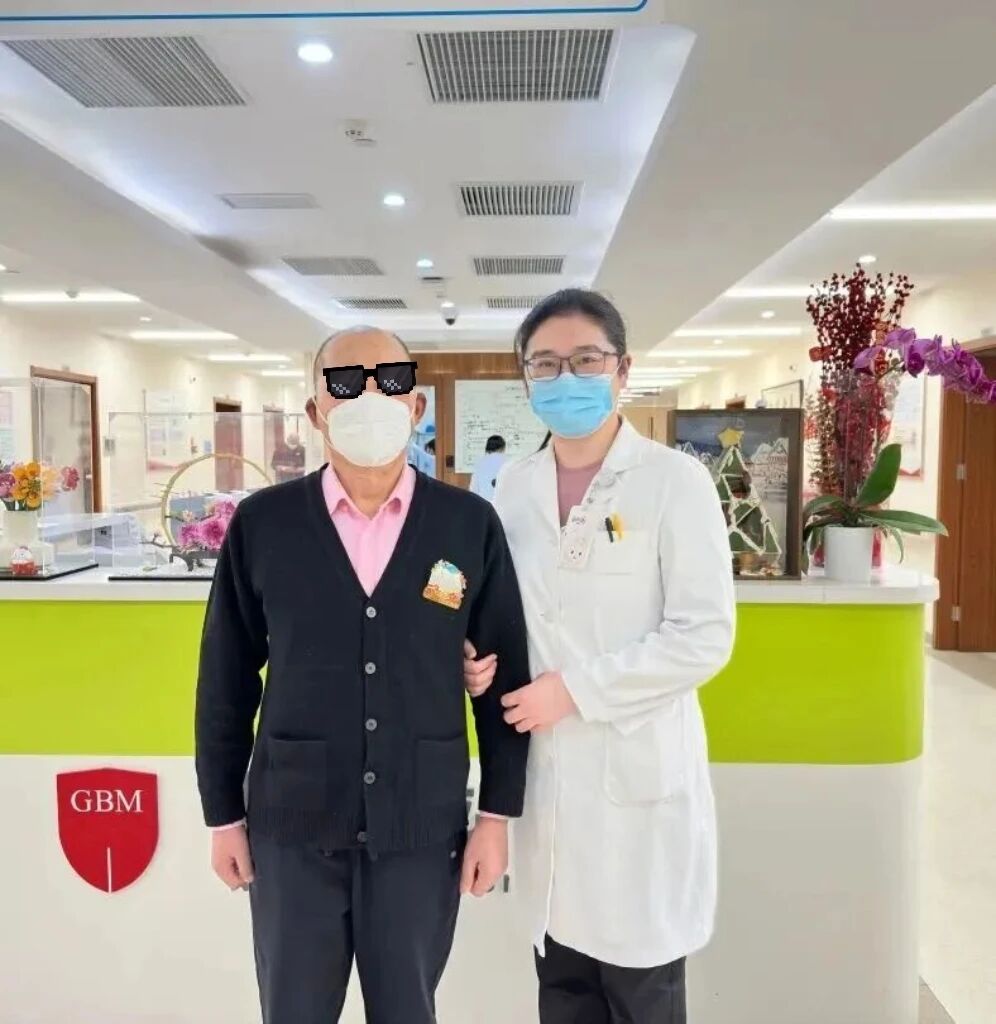
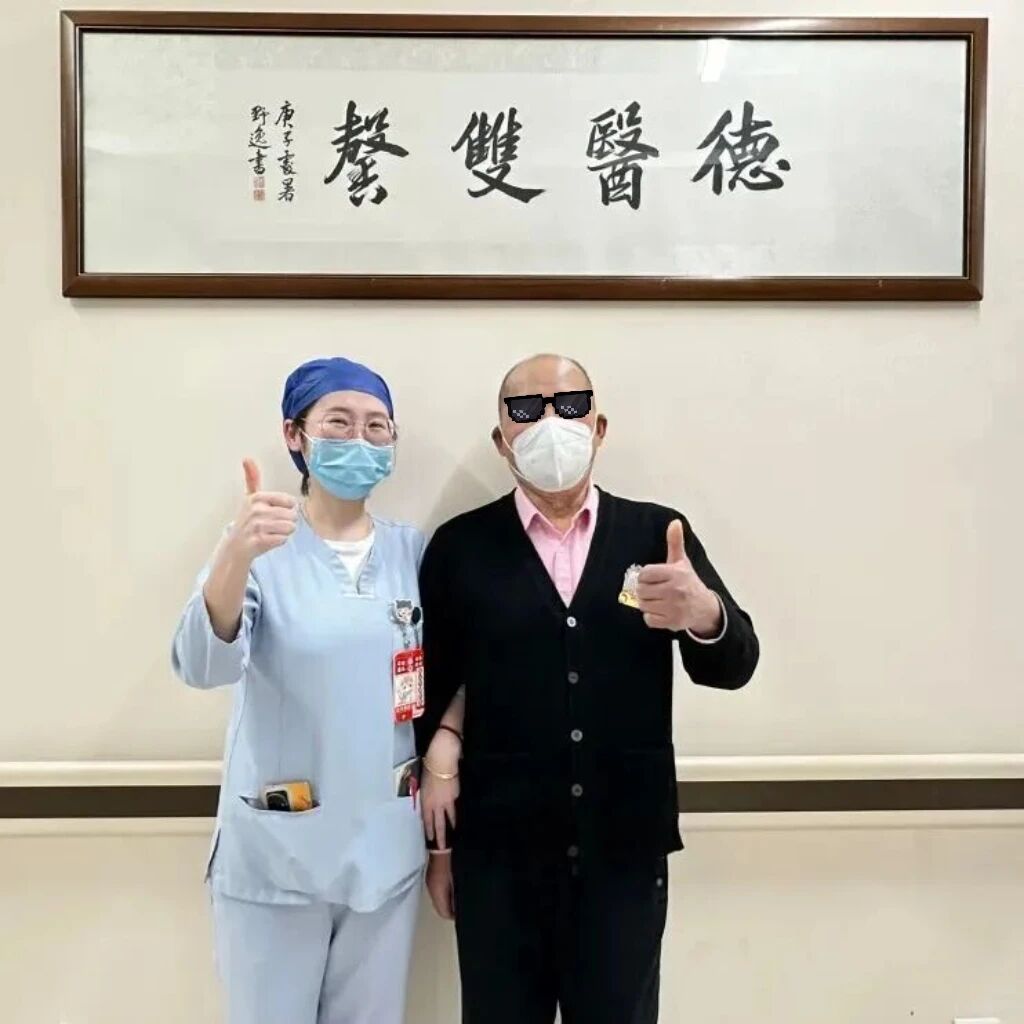
Recently, 63-year-old Mr. Xu celebrated an important milestone at the hospital — five years of complete remission after stem cell transplantation. During the ceremony, he presented flowers to his wife, thanking her for standing by his side throughout seven years of treatment and recovery.
An Unexpected Diagnosis
Mr. Xu's journey began in March 2019 when he sought medical attention for persistent headaches and unexplained fever. In April, he was diagnosed with Philadelphia chromosome-positive acute lymphoblastic leukemia (Ph-positive B-ALL), an aggressive type of blood cancer.
During initial chemotherapy treatment, he developed a severe fungal infection in the lungs accompanied by pleural effusion, which temporarily interrupted therapy. After consultations at several hospitals, Mr. Xu continued his treatment under the guidance of hematology specialists.
In early 2020, he was admitted to GoBroad Healthcare Group, where the medical team conducted a comprehensive evaluation and designed a personalized treatment plan combining chemotherapy and targeted therapy.
A Turning Point After Relapse
In August 2020, Mr. Xu developed facial swelling and pain. Further examinations confirmed that the leukemia had relapsed.
After careful assessment, the medical team recommended allogeneic hematopoietic stem cell transplantation, which offered the best chance for long-term disease control.
Through the China Marrow Donor Program, a suitable donor was successfully identified. In February 2021, Mr. Xu underwent the transplant procedure and recovered smoothly from the transplantation phase.
For Mr. Xu and his family, however, the transplant marked the beginning of a long recovery process.
The Long Road to Recovery
The months following transplantation were challenging. Mr. Xu experienced complications such as severe oral mucositis and gastrointestinal symptoms, which required careful monitoring and supportive care.
Throughout this period, Mrs. Dai became his primary caregiver. She carefully followed medical guidance regarding hygiene, nutrition, and infection prevention, helping to create a safe recovery environment at home.
With regular medical follow-ups and comprehensive supportive care, Mr. Xu's immune system gradually recovered and his physical condition steadily improved.
Five Years Later
Today, Mr. Xu has reached an important milestone — five years in remission after stem cell transplantation.
At the hospital's commemorative ceremony, he received a symbolic badge marking this achievement.

Reflecting on his journey, Mr. Xu shared:
"From diagnosis to transplant and long-term follow-up, the doctors and nurses have always been there for us. Their expertise and dedication helped me take each step forward."
For Mr. Xu and his family, the badge represents more than recovery. It stands as a reminder of the partnership between patients, families, and medical teams in overcoming serious illness.
第 67 届美国血液学会(ASH)年会在美国奥兰多举行,集中呈现了全球血液学领域最具前沿性的研究成果与临床进展。在本届大会上,高博医疗集团张亚晶教授团队共有 4 项研究成功入选 ASH 年会,其中 1 项获口头报告。研究内容涵盖多靶点 CAR-T 治疗策略、复杂毒性的机制学管理以及免疫动力学调控等关键方向,系统展现了团队在 CAR-T 治疗领域的原创探索与国际化视野。本文,张教授从具体研究切入,进一步分享了其对 CAR-T 治疗“从技术突破走向体系成熟”的整体战略思考,为行业提供了具有启发意义的实践路径。
突破高危髓外病变的治疗瓶颈,序贯 BCMA 与 GPRC5D CAR-T 的整合治疗探索
Q1合并巨大或广泛髓外病灶(EMD)的复发/难治性多发性骨髓瘤(RRMM),其治疗难点体现在哪些方面?
张亚晶教授:合并巨大或广泛髓外病灶的 RRMM,是当前骨髓瘤治疗中最具挑战性的亚群之一,其治疗困难并非单一因素所致,而是多重障碍叠加的结果。
首先是 “庇护所效应”与物理屏障。髓外肿块通常血供不足,外层被纤维组织包裹,形成药物和免疫细胞难以充分渗透的封闭环境,使传统化疗、靶向药物甚至常规 CAR-T 细胞难以有效到达肿瘤核心。其次是独特而强烈的免疫抑制微环境。髓外病灶内富集调节性 T 细胞(Treg)、髓源性抑制细胞(MDSC)以及多种抑制性细胞因子,进入病灶的 CAR-T 细胞容易快速耗竭,难以维持持续杀伤功能。此外,高肿瘤负荷与抗原逃逸问题尤为突出。在单一靶点(如 BCMA)的选择压力下,肿瘤细胞容易通过靶点下调或丢失实现免疫逃逸,导致疾病快速复发。
从本质上看,广泛髓外病灶的治疗不仅是一场“攻坚战”,更是一场需要同时破解物理屏障、免疫抑制与生物学进化的系统性挑战。
Q2 DCEP 化疗 + 低剂量放疗桥接 + BCMA&GPRC5D 序贯 CAR-T,这一整合策略的设计逻辑是什么?
张亚晶教授:这项研究的核心理念,是系统设计、分步推进,而非依赖单一强力手段。
第一阶段:桥接治疗——为 CAR-T 创造“可作战环境”。
桥接治疗并非被动等待 CAR-T 制备完成,而是主动进行治疗前的战略准备。DCEP 化疗可系统性降低全身肿瘤负荷,减轻后续 CAR-T 的杀伤压力;低剂量放疗则兼具“精准减瘤”与“免疫增敏”双重作用,不仅破坏髓外病灶的物理屏障,还可通过诱导免疫原性细胞死亡,重塑局部微环境,促进免疫细胞浸润,形成远隔效应。
第二阶段:序贯 CAR-T——应对抗原逃逸的时间策略。
针对抗原异质性和逃逸风险,采用双靶点序贯输注策略。BCMA CAR-T 作为先锋,快速清除高表达肿瘤细胞;随后输注 GPRC5D CAR-T,进一步清剿 BCMA 低表达或阴性的残余病灶,从时间维度上实现持续覆盖。
这一策略的本质,是通过桥接治疗优化“战场”,再通过理性的靶点布局完成“持续清剿”,实现时间与空间上的协同打击。
Q3这一策略在临床疗效上取得了哪些关键突破?
张亚晶教授:该整合策略在伴巨大或广泛髓外病灶的 RRMM 患者中取得了具有突破意义的结果。在中位随访 8.5 个月(3–15 个月)时,总体缓解率达到 87.5%,严格完全缓解率为 62.5%。更重要的是,87.5% 的缓解患者实现了髓外病灶的完全代谢缓解,这一结果在既往研究中极为罕见。此外,随访显示患者获得了更为持久的缓解,PFS 和 OS 均明显改善;在精细化管理下,整体安全性良好,未观察到非预期的严重毒性。
该研究的核心价值,在于为传统被视为“治疗禁区”的巨大/广泛 EMD 人群,构建了一套可实施、可复制、可管理的 CAR-T 治疗范式。
CAR-T 治疗的整体策略观,从“单点输注”到“全周期系统工程”
张亚晶教授指出,CAR-T 的未来不在于某一个“超级 CAR”,而在于构建一套 科学、动态、可解释的全周期管理体系,其核心可概括为三点:
- 策略前端化:通过桥接治疗、多靶点布局实现深度缓解
- 管理机制化:以机制理解指导毒性精准调控
- 全程动态化:以免疫动力学监测实现长期护航
团队正围绕这一体系,为 CAR-T 治疗的每一个关键环节提供循证解决方案,推动其向更安全、更高效、更可持续的方向发展。
The 67th Annual Meeting of the American Society of Hematology (ASH) was held in Orlando, Florida, bringing together the most cutting-edge research findings and clinical advances in the global field of hematology. At this year’s meeting, the team led by Professor Yajing Zhang from GoBroad Healthcare Group had four studies accepted, including one selected for oral presentation. These studies addressed key areas such as multi-target CAR-T therapeutic strategies, mechanistic management of complex toxicities, and immunodynamic regulation, collectively demonstrating the team’s original contributions and global vision in the field of CAR-T therapy.
In this article, Professor Zhang discusses specific studies and further shares her strategic perspective on the evolution of CAR-T therapy “from technological breakthroughs to systemic maturity,” offering an insightful and practice-oriented roadmap for the field.
Overcoming Therapeutic Bottlenecks in High-Risk Extramedullary Disease: An Integrated Strategy of Sequential BCMA and GPRC5D CAR-T Therapy
Q1. What are the major therapeutic challenges in relapsed/refractory multiple myeloma (RRMM) with bulky or extensive extramedullary disease (EMD)?
RRMM accompanied by bulky or extensive EMD represents one of the most challenging subgroups in current multiple myeloma treatment. The therapeutic difficulty arises not from a single factor, but from the convergence of multiple barriers.
First, the “sanctuary effect” and physical barriers play a critical role. Extramedullary tumor masses often have poor vascularization and are surrounded by fibrotic tissue, forming a closed microenvironment that limits the penetration of drugs and immune effector cells. As a result, conventional chemotherapy, targeted agents, and even standard CAR-T cells may fail to adequately access the tumor core.
Second, these lesions are characterized by a distinct and profoundly immunosuppressive microenvironment. Extramedullary sites are enriched with regulatory T cells (Tregs), myeloid-derived suppressor cells (MDSCs), and multiple inhibitory cytokines. CAR-T cells that infiltrate these lesions are prone to rapid functional exhaustion, making it difficult to sustain effective antitumor activity.
In addition, high tumor burden and antigen escape are particularly prominent. Under selective pressure from a single target, such as BCMA, tumor cells can downregulate or lose antigen expression, leading to immune escape and rapid disease relapse.
In essence, the treatment of extensive EMD is not merely an “intensification challenge,” but a systemic problem that requires simultaneous solutions to physical barriers, immunosuppression, and tumor evolutionary dynamics.
Q2. What is the rationale behind the integrated strategy of DCEP chemotherapy, low-dose radiotherapy bridging, and sequential BCMA and GPRC5D CAR-T therapy?
The core concept of this strategy is systematic design and stepwise implementation, rather than reliance on a single high-intensity intervention.
Phase 1: Bridging therapy — creating a “combat-ready” environment for CAR-T cells.
Bridging therapy should be viewed as an active preparatory phase rather than a passive waiting period during CAR-T manufacturing. DCEP chemotherapy helps to reduce systemic tumor burden, thereby lowering the cytotoxic pressure faced by CAR-T cells after infusion. Low-dose radiotherapy serves a dual purpose: it enables precise debulking of extramedullary lesions while also enhancing immune sensitivity. By disrupting physical tumor barriers and inducing immunogenic cell death, radiotherapy can remodel the local microenvironment, promote immune cell infiltration, and potentially induce abscopal effects.
Phase 2: Sequential CAR-T infusion — a time-oriented strategy to address antigen escape.
To overcome antigen heterogeneity and the risk of immune escape, a dual-target sequential CAR-T approach was adopted. BCMA-directed CAR-T cells are administered first to rapidly eliminate tumor cells with high BCMA expression. This is followed by GPRC5D-directed CAR-T cells to eradicate residual tumor populations with low or absent BCMA expression, thereby achieving sustained target coverage over time.
Fundamentally, this strategy optimizes the “battlefield” through effective bridging therapy and achieves continuous tumor eradication through rational temporal and spatial target deployment.
Q3. What key clinical outcomes were achieved with this integrated strategy?
This integrated approach yielded clinically meaningful and encouraging results in RRMM patients with bulky or extensive EMD. At a median follow-up of 8.5 months (range, 3–15 months), the overall response rate was 87.5%, with a stringent complete response rate of 62.5%. Importantly, 87.5% of responding patients achieved complete metabolic remission of extramedullary lesions, a result that has rarely been reported in previous studies.
Moreover, follow-up data demonstrated more durable responses, with notable improvements in both progression-free survival (PFS) and overall survival (OS). With careful and mechanism-informed management, the overall safety profile was favorable, and no unexpected severe toxicities were observed.
The key significance of this study lies in establishing a feasible, reproducible, and manageable CAR-T treatment paradigm for patients with bulky or extensive EMD — a population historically regarded as a “therapeutic no-man’s-land.”
A Holistic Strategic View of CAR-T Therapy: From Single Infusion to Full-Cycle Systems Engineering
Professor Zhang emphasized that the future of CAR-T therapy does not depend on the emergence of a single “super CAR,” but rather on the development of a scientific, dynamic, and interpretable full-cycle management framework. This framework can be summarized in three core principles:
- Upfront strategic optimization: achieving deeper and more durable responses through effective bridging therapy and rational multi-target design
- Mechanism-driven management: enabling precise toxicity control guided by mechanistic understanding
- Dynamic, longitudinal monitoring: ensuring long-term disease control through immunodynamic surveillance
Building around this framework, the team continues to develop evidence-based solutions for each critical stage of CAR-T therapy, driving the continued evolution of CAR-T therapy toward greater safety, higher efficacy, and long-term sustainability.
The 67th Annual Meeting of the American Society of Hematology (ASH) was held in Orlando, USA, showcasing the latest research and clinical advances in the field of hematology. At this year’s meeting, the team led by Professor Kai Hu from GoBroad Healthcare Group had seven studies accepted for presentation. These studies focused on CAR-T therapy in various types of relapsed/refractory lymphoma, including B-cell lymphoma, central nervous system lymphoma (CNSL), T-cell lymphoma, as well as combined strategies integrating CAR-T therapy with hematopoietic stem cell transplantation. Professor Hu provided a systematic interpretation of these research findings.
Q1. What were the main studies presented by your team at this year’s ASH meeting, and which “key clinical questions” did they aim to address?
All seven studies we presented this year revolve around a single core objective: to make CAR-T therapy more effective, more predictable, and more actionable in high-risk patient populations, with clear strategies for subsequent treatment steps.
Overall, these studies can be summarized into three main lines of investigation.
First, prospective studies targeting key refractory disease subtypes, resembling rigorously designed clinical trials. These include:
- A phase I study of CD19 CAR-T therapy in relapsed/refractory central nervous system lymphoma (CNSL)
- A phase I study of CD7 CAR-T therapy in T-cell acute lymphoblastic leukemia/lymphoblastic lymphoma (T-ALL/LBL), with long-term follow-up
Both disease entities have limited treatment options and are particularly difficult to manage after relapse, making prospective evidence essential to address fundamental questions such as feasibility, efficacy, and safety.
Second, what should be done after failure of CD19 CAR-T therapy?
CAR-T therapy is not effective for all patients. We explored salvage strategies using hematopoietic stem cell transplantation after CAR-T failure and compared outcomes between autologous and allogeneic transplantation cohorts, aiming to provide evidence-based guidance for post–CAR-T treatment decision-making.
Third, can treatment response be predicted earlier, and are there actionable biomarkers?
We investigated several potential biomarkers associated with treatment outcomes, including:
- The presence of TP53 mutations in tumor cells
- Dynamic changes in PD-1 expression on CAR-T cells and their in vivo exhaustion status
The goal is clear: to move CAR-T management from experience-based decision-making toward biomarker-assisted precision management.
Q2. In molecularly high-risk B-cell lymphoma, what new hope does CAR-T therapy offer, and can we assess efficacy at an earlier stage?
We observed two particularly noteworthy findings.
First, patients with TP53 mutations may still derive meaningful benefit from CAR-T therapy.
In the chemotherapy era, TP53 mutations were well established as an adverse prognostic factor and were associated with poor outcomes in diseases such as CNSL and diffuse large B-cell lymphoma (DLBCL). Our data suggest that CAR-T therapy may, to some extent, mitigate the negative prognostic impact of TP53 mutations, offering new therapeutic value for molecularly high-risk patients—although further studies are needed to refine risk stratification strategies.
Second, dynamic changes in PD-1 expression may help predict treatment trajectories at an early stage.
We found that a rising trend in PD-1 expression—from low to higher levels—may reflect more robust in vivo activation of CAR-T cells, and this dynamic pattern was associated with better clinical outcomes. This observation not only aids early efficacy assessment, but also provides a rationale for exploring combination strategies involving CAR-T therapy and PD-1 inhibitors.
Overall, CAR-T management is evolving from meticulous clinical observation alone toward precision management that integrates laboratory and molecular biomarkers.
Q3. Given the limited treatment options for CNSL, what are the latest advances in CAR-T therapy, and which factors most strongly influence efficacy?
Our prospective phase I study in CNSL was selected for oral presentation at ASH. While real-world data had previously suggested some therapeutic activity, prospective evidence remained limited. Our study provides more systematic and structured data in this field.
The results indicate that CD19 CAR-T therapy demonstrates meaningful antitumor activity in relapsed/refractory CNSL. We also found that treatment outcomes may be influenced by multiple factors, including patient age, disease stage, and pre-treatment clinical status.
One clear clinical implication is that maximal tumor burden reduction prior to CAR-T infusion—in other words, effective debulking—may be a critical prerequisite for optimizing CAR-T efficacy.
Q4. T-cell lymphoma is particularly challenging. What are the key innovations and long-term benefit signals from CD7 CAR-T therapy?
T-cell lymphoma represents one of the most challenging frontiers for CAR-T therapy. Although short-term response rates can be relatively high, achieving durable long-term benefit remains difficult. Our phase I study of CD7 CAR-T therapy highlighted three important points.
First, a broader eligible population. In addition to T-ALL/LBL, we included patients with certain subtypes of mature T-cell lymphoma, expanding the potential application boundaries of CD7 CAR-T therapy.
Second, high response rates can be achieved even with low-dose infusion. Our data showed that overall response rates exceeded 80% despite the use of low-dose CAR-T strategies, suggesting that high doses may not be necessary to achieve antitumor activity.
Third, long-term follow-up underscores the value of bridging to allogeneic transplantation. Patients who achieved durable responses or potential cure were more frequently those who subsequently underwent allogeneic hematopoietic stem cell transplantation, whereas long-term outcomes were less favorable in patients who did not proceed to transplant.
These findings suggest that when CD7 CAR-T is used as salvage therapy, early evaluation and planning for allogeneic transplantation as consolidation should be considered in eligible patients to maximize long-term benefit.
Q5. CAR-T therapy combined with transplantation: which patients may benefit most, and what are the future directions?
Combination strategies integrating CAR-T therapy and transplantation are gaining increasing attention. This year, we focused particularly on a highly challenging population: patients who fail CD19 CAR-T therapy. These patients often exhibit both chemotherapy resistance and CAR-T resistance and can be considered “double refractory,” with very limited treatment options.
Our findings suggest that if patients can still achieve some degree of response after debulking chemotherapy (including targeted combinations), consolidation strategies may be considered, such as:
- Autologous transplantation combined with CAR-T targeting alternative antigens
- Allogeneic transplantation combined with donor-derived CAR-T therapy
The overarching goal is to achieve improved disease control and more durable long-term outcomes.
In summary, the success of combination strategies depends on understanding the complementary mechanisms of CAR-T therapy and transplantation, as well as precise patient selection, ensuring that those most likely to benefit can do so from intensified therapeutic approaches.
第 67 届美国血液学会(ASH)年会在美国奥兰多举行,集中展示血液学领域的最新研究与临床进展。会上,高博医疗集团胡凯教授团队共有 7 项研究成果入选展示,聚焦不同类型复发/难治性淋巴瘤的 CAR-T 治疗探索,包括 B 细胞淋巴瘤、中枢神经系统淋巴瘤(CNSL)、T 细胞淋巴瘤,以及 CAR-T 与造血干细胞移植的联合策略。胡凯教授对相关研究进行了系统解读。
01 今年 ASH 展示了哪些主要研究?解决哪些“临床最关心的问题”?
胡凯教授:今年我们团队展示的 7 项研究,核心都围绕一个目标:让 CAR-T 在更多高风险人群中用得更有效、更可预测,也更有“下一步方案”。
整体可以概括为三条主线:
第一类:针对关键难治亚型的前瞻性研究(更像“严格的临床试验”)。
- CD19 CAR-T 用于复发/难治性 中枢神经系统淋巴瘤(CNSL) 的 I 期研究
- CD7 CAR-T 用于 T 淋巴母细胞白血病/淋巴瘤(T-ALL/LBL) 的 I 期研究及长期随访
这两类疾病治疗选择有限、复发后更难治,因此特别需要前瞻性证据来回答“能不能用、效果怎么样、风险如何”。
第二类:当 CD19 CAR-T 治疗失败后,下一步怎么走?
CAR-T 并非对所有患者都有效。我们研究了 CAR-T 失败后用造血干细胞移植进行挽救治疗的策略,并比较了自体移植和异基因移植两个队列,希望为“失败后的决策路径”提供依据。
第三类:疗效能否提前预测?有没有可用的指标?
我们探索了一些与疗效相关的潜在生物标志物,例如:
- 肿瘤细胞是否存在 TP53 突变
- CAR-T 细胞相关的 PD-1 表达及体内“耗竭”状态的动态变化
目的很明确:让治疗从“经验判断”,逐步走向“指标辅助决策”。
02 分子学高危 B 细胞淋巴瘤:CAR-T 带来了哪些新希望?我们能更早判断疗效吗?
胡凯教授:
我们观察到两点值得关注的发现:
- TP53 突变患者仍可能从 CAR-T 中获得明显获益。
TP53 突变在化疗时代是公认的不良预后因素,在 CNSL、DLBCL 等多种类型中都与更差结局相关。我们的研究提示:CAR-T 在一定程度上能够减弱 TP53 突变带来的不良影响,为分子学高危患者提供新的治疗价值(但仍需进一步研究完善分层策略)。
第二,“PD-1 动态变化”可能帮助我们提前判断治疗走向。
我们观察到:当 PD-1 表达呈现“由低到高”的上升趋势时,提示 CAR-T 细胞在体内激活更充分,这种动态变化与更好的疗效结局相关。这一发现不仅有助于疗效预测,也为未来探索 CAR-T 与 PD-1 抗体联合策略提供了线索。
总体来看,CAR-T 的管理模式正从“仅靠临床观察的精细管理”,走向“结合实验室与分子指标的精准管理”。
03 CNSL 治疗选择少:CAR-T 的最新进展是什么?什么因素最影响疗效?
胡凯教授:
我们在 CNSL 领域开展的前瞻性 I 期研究入选了 ASH 口头报告。此前真实世界已有一定疗效信号,但前瞻性证据相对不足,我们的研究为该领域补充了更系统的数据。
研究显示,CD19 CAR-T 在复发/难治性 CNSL 中具有较好的治疗活性。同时我们发现,疗效可能受到多因素影响,例如年龄、分期以及治疗前状态等。
其中一个较明确的临床启示是:在 CAR-T 回输前尽可能控制肿瘤负荷(先“减瘤”),可能是提高 CAR-T 疗效的重要前提之一。
04 T 细胞淋巴瘤更难治:CD7 CAR-T 的创新点与长期获益提示是什么?
胡凯教授:T 细胞淋巴瘤一直是 CAR-T 最具挑战的方向之一:短期反应率可以较高,但长期获益仍需进一步提升。本次我们报告的 CD7 CAR-T I 期研究有三点值得关注:
- 适用人群更广。
除了 T-ALL/LBL,我们还纳入了部分成熟 T 细胞淋巴瘤患者,探索 CD7 CAR-T 的应用边界。
- 低剂量回输也能获得较高反应。
研究显示即便采取低剂量策略,总体缓解率仍超过 80%,提示不一定需要高剂量才能获得抗肿瘤效应。
- 长期随访再次强调“桥接异基因移植”的价值。
我们观察到:获得长期疗效甚至可能达到治愈的患者,更多来自后续桥接异基因造血干细胞移植的人群;未桥接者长期预后相对较弱。
这提示临床:若将 CD7 CAR-T 作为挽救治疗,应尽早评估并为符合条件者规划异基因移植作为巩固,以争取更持久获益。
05 CAR-T 与移植联合:哪些人可能更适合?未来方向是什么?
胡凯教授:移植与 CAR-T 的联合策略越来越受到关注。今年我们重点讨论的是一个更棘手的群体:CD19 CAR-T 治疗失败的患者。这类患者通常既有化疗耐药,又出现 CAR-T 耐药,可称为“双重难治”,治疗选择更有限。
我们的研究提示:如果患者经过减瘤化疗(含靶向联合)仍能获得一定反应,可以进一步考虑巩固策略,例如:
- 自体移植 + 其他靶点 CAR-T
- 异基因移植 + 异体 CAR-T以争取更好的疾病控制与长期结局。
总体而言,联合策略的关键在于:理解两种疗法的互补机制,并进行精准人群筛选,让真正适合的患者从高强度方案中获益。
With the rapid advancement of precision genomics, the role of genetic predisposition genes in the diagnosis and treatment of hematologic malignancies has become increasingly evident. In the context of allogeneic hematopoietic stem cell transplantation (allo-HSCT), germline genetic variants not only influence disease susceptibility and immune status, but also profoundly affect post-transplant immune reconstitution, complication risks, and long-term survival outcomes. Consequently, incorporating genetic predisposition genes into systematic pre-transplant evaluation has emerged as a critical strategy for improving both the safety and efficacy of transplantation.
Professor Zhihui Li from the hematopoietic stem cell transplantation team at GoBroad Healthcare Group provides an in-depth interpretation of the clinical value of genetic predisposition genes in guiding transplant decision-making.
Patients with Homozygous IEI Mutations: Superior Survival Outcomes with Unrelated Donors
Studies have shown that patients harboring homozygous mutations in genes associated with inborn errors of immunity (IEI) achieve significantly better survival outcomes when transplanted with unrelated donors compared with related donors. The underlying reason lies in the familial aggregation of IEI-associated mutations. Related donors are more likely to carry the same homozygous or heterozygous pathogenic variants, resulting in donor-derived hematopoietic and immune cells with latent functional defects.
After transplantation, these hidden immune deficiencies may impair effective immune reconstitution, increasing the risk of severe infections and non-relapse-related mortality. In contrast, the likelihood that an unrelated donor carries the same homozygous IEI mutation is extremely low. Such donors typically possess intact immune function, facilitating robust and stable immune reconstitution, thereby reducing transplant-related complications and improving long-term survival.
Pre-Transplant Genetic Testing: From an “Optional Tool” to a Foundational Component
Based on these findings, testing for genetic predisposition genes should be considered a fundamental component of pre-transplant evaluation. For patients with hematologic malignancies who are candidates for allo-HSCT, systematic screening of genes related to hematopoiesis and immune function is recommended, with particular attention to IEI-associated genes and variants linked to cellular and humoral immunodeficiencies.
Genetic testing results not only support comprehensive risk assessment, but also directly inform donor selection and transplant strategy development, enabling more rational and evidence-based clinical decisions.
Genetics-Guided Donor Selection and Risk-Stratified Management
In donor selection, patients carrying homozygous IEI-related mutations should preferentially receive grafts from unrelated donors to minimize potential genetic and immunologic risks. For patients with pathogenic germline variants affecting cellular or humoral immunity, priority should be given to donors with intact immune function who do not harbor the same high-risk variants, regardless of whether the donor is related or unrelated.
At the same time, these patients should be classified as a high-risk transplant population and managed accordingly after transplantation. Risk-stratified post-transplant care should include intensified dynamic monitoring of immune reconstitution, enhanced infection prevention and early intervention strategies, and the use of immunologic supportive therapies when necessary, in order to reduce transplant-related complications.
Toward Personalized Transplantation: Genetics-Driven Optimization of Clinical Decision-Making
Overall, genetic predisposition information introduces a new dimension to decision-making in allogeneic hematopoietic stem cell transplantation. From donor selection to post-transplant management, individualized strategies based on germline genetic risk can enable safer and more precise transplantation.
Looking ahead, the systematic integration of genetic assessment into the transplant workflow has the potential to further improve transplant success rates and deliver greater long-term survival benefits for patients.
Director Huaying Liu from GoBroad Healthcare Group provides an in-depth interpretation of the core advantages of the TCRαβ-depleted haploidentical transplantation (TDH) platform, optimal timing of CAR-T bridging, immunomodulatory mechanisms of cord blood, and future directions of integrated therapeutic strategies.
Q1. Two of your studies focus on TCRαβ-depleted haploidentical transplantation (TDH), combined respectively with CAR-T bridging and “passenger cord blood” as enhancement strategies. Could you first summarize why TDH was chosen as the core transplant platform for patients with relapsed or refractory leukemia?
Our decision to adopt TDH as the core transplant platform is driven by three critical challenges we consistently face in clinical practice: infection, graft-versus-host disease (GVHD), and relapse.
In the field of haploidentical transplantation, three major representative approaches are currently used worldwide: the ATG-based “Beijing protocol,” the post-transplant cyclophosphamide (PT-CY)–based “American protocol,” and the TCRαβ ex vivo depletion–based “European protocol.” Our center adopts the third approach, namely TCRαβ ex vivo depletion (TDH).
The fundamental principle of TDH is the selective ex vivo removal of TCRαβ T cells using immunomagnetic separation. Since GVHD is primarily mediated by TCRαβ T cells, TDH achieves a depletion rate exceeding 90%, thereby significantly reducing the risk of both acute and chronic GVHD. As a result, some patients require no or only minimal GVHD prophylaxis after transplantation.
At the same time, the TDH platform typically allows the infusion of a high dose of CD34⁺ hematopoietic stem cells, leading to faster hematopoietic recovery. Neutrophil and platelet engraftment occur earlier, which helps reduce infection rates, decrease transfusion requirements, and lower the risk of bleeding-related complications, such as hemorrhagic cystitis.
Importantly, TDH is not a “complete T-cell depletion” strategy. While TCRαβ T cells are removed, NK cells and γδ T cells are preserved. These effector cells contribute to antiviral and anti-leukemic immunity. In addition, we minimize the use of immunosuppressive agents whenever possible to promote immune reconstitution and maintain the graft-versus-leukemia (GVL) effect.
Taken together, TDH offers structural advantages in addressing infection, GVHD, and relapse simultaneously, making it a foundational platform for the treatment of relapsed and refractory leukemia in our center.
Q2. In your study on CAR-T–bridged transplantation, you emphasized the importance of achieving MRD negativity before transplantation. What are the main challenges and key factors for success during the bridging phase from CAR-T infusion to transplantation?
In recent years, CAR-T bridging to TDH transplantation has become an important strategy for treating relapsed or refractory acute leukemia. Rather than relying on CAR-T therapy alone to achieve durable remission, the current paradigm emphasizes using CAR-T to achieve disease control followed by timely hematopoietic stem cell transplantation to secure longer-term disease-free survival.
In this process, optimal timing of transplantation is critical. Before proceeding to transplant, CAR-T–related complications must be adequately controlled, including cytokine release syndrome (CRS), immune effector cell–associated neurotoxicity syndrome (ICANS), and infections. Once the patient’s overall condition has stabilized, transplantation should be performed as early as feasible.
Based on long-term clinical data from our center, we have found that approximately 40 days after CAR-T infusion is often an appropriate bridging window. However, this varies by disease subtype. For example, patients with T-ALL treated with CD7 CAR-T tend to experience more profound immune and hematopoietic suppression, necessitating earlier transplantation. In contrast, the bridging window for B-ALL patients may be relatively longer. Overall, completing transplantation within three months is generally preferred, with individualized decisions based on each patient’s condition.
Another key factor is maintaining CAR-T functional activity before transplantation and ensuring that patients remain in an MRD-negative state, which is crucial for achieving durable disease-free survival.
Therefore, the major challenges during the bridging phase lie in infection control and standardized management of CRS, ICANS, and other complications, thereby creating optimal conditions for successful transplantation.
Q3. In your study on “passenger cord blood,” you innovatively administered cord blood both before and after transplantation. What was the rationale behind this design, and what anti-relapse potential did this dual-infusion strategy demonstrate?
First, it is important to clarify the concept of “passenger cord blood.” Unlike conventional cord blood transplantation, passenger cord blood is not intended for hematopoietic reconstitution, but rather is regarded as an immunobiologic product with broad antitumor activity.
The introduction of passenger cord blood was motivated by the observation that some patients fail to achieve optimal responses to CAR-T therapy alone and may not reach MRD negativity. Through retrospective analysis of previous cases, we observed differences between patients who received passenger cord blood and those who did not, particularly in terms of tumor clearance, MRD conversion to negativity, and disease-free survival.
Although other centers have reported combined cord blood infusion, these approaches are usually limited to concurrent or short-interval infusion with stem cells. Based on the TDH platform, we adopted differentiated infusion time points before and after transplantation, aiming to further enhance the GVL effect and enable deeper disease remission in high-risk patients.
Q4. What key insights do these two studies provide for the treatment of pediatric and adult relapsed/refractory leukemia, and how do you envision further optimization of this integrated treatment model in the future?
Relapsed and refractory leukemia remains a major therapeutic challenge in both pediatric and adult populations. Although frontline chemotherapy achieves favorable outcomes in pediatric ALL, prognosis declines sharply once patients enter the relapsed or refractory setting. Our goal is to secure long-term disease-free survival for these patients through more systematic and integrated treatment strategies.
From a clinical pathway perspective, we conceptualize integrated therapy as consisting of three stages:
Stage 1: Pre-transplant debulking and disease control.
Through CAR-T immunotherapy, combination with passenger cord blood, and modalities such as total marrow and lymphoid irradiation (TMLI), we aim to achieve deep remission and reduce tumor burden as much as possible to prepare for transplantation.
Stage 2: Transplantation centered on the TDH platform.
The TCRαβ-depleted TDH approach enables faster hematopoietic recovery, reduces reliance on immunosuppressive agents, and provides a more favorable platform for subsequent immunotherapeutic interventions.
Stage 3: Post-transplant consolidation and relapse prevention.
With a lower immunosuppressive burden, prophylactic donor lymphocyte infusion (DLI) can be implemented earlier. For selected high-risk patients, prophylactic CAR-T or other consolidation strategies may also be explored to further reduce relapse risk and improve long-term outcomes.
Throughout the entire process, treatment is individualized based on disease subtype, genetic background, and immune status. Data from our prior patient cohorts suggest that the integrated strategies presented at this year’s ASH meeting — including CAR-T, TDH, and passenger cord blood — are associated with a meaningful improvement in overall disease-free survival compared with historical controls. Looking ahead, we will continue to refine key strategies at each stage, striving to achieve higher disease-free survival while minimizing GVHD and relapse, so that more pediatric and adult patients can ultimately benefit.
Hematopoietic stem cell transplantation (HSCT) has become a cornerstone therapy for many malignant hematologic diseases, enabling long-term survival and, in some cases, cure. However, extensive clinical experience has shown that successful transplantation does not signify the end of treatment. Complications occurring before and after transplantation—often involving multiple organ systems—remain a major determinant of patient prognosis and quality of life.
At this critical stage, reliance on a single medical framework is frequently insufficient. Beyond precise disease control, clinicians face the challenge of stabilizing systemic function, improving physiological resilience, and guiding patients safely through a high-risk period of treatment. An integrative approach combining Western medicine and traditional Chinese medicine (TCM) offers unique clinical advantages in addressing these challenges.
Director Liu Huixia of GoBroad Healthcare Group has long specialized in integrative management of HSCT and transplant-related complications. She emphasizes that Western medicine and TCM are not competing paradigms, but rather complementary systems that can be strategically integrated to enhance clinical outcomes.
From Transplant Completion to Sustained Recovery: Complications as a Decisive Factor
For many patients with malignant hematologic diseases , completion of HSCT represents only one milestone in a prolonged therapeutic journey. Post-transplant complications—including fluid imbalance, infection, organ dysfunction, and prolonged systemic weakness—often play a decisive role in determining long-term survival.
Director Liu notes that after intensive chemotherapy, radiotherapy, and immunosuppressive conditioning, patients typically experience profound physiological stress. Even when the underlying malignancy is controlled, global dysregulation of metabolic, immune, and organ functions may persist, limiting recovery and increasing mortality risk. In such cases, conventional supportive care alone may reach a therapeutic ceiling.
TCM contributes an alternative perspective by focusing on restoring systemic regulation, supporting intrinsic recovery capacity, and improving overall physiological coordination, rather than targeting isolated symptoms.
Managing Severe Edema: Restoring Physiological Fluid Regulation
In one case involving a patient with refractory intestinal T-cell lymphoma, pre-transplant evaluation revealed severe generalized edema, pleural effusion, renal impairment, and hypoalbuminemia. Despite adequate fluid management and high-dose diuretics, fluid overload continued to worsen, significantly compromising transplant readiness.
Director Liu assessed that the condition was not simply due to excess fluid accumulation, but rather a failure of the body’s regulatory mechanisms responsible for fluid distribution and metabolism, compounded by reduced functional reserve. Treatment therefore focused on restoring circulatory regulation, improving renal fluid handling, and stabilizing vascular permeability.
Following integrative intervention, the patient's urine output increased substantially, body weight decreased, and pleural effusion gradually resolved without invasive procedures. The patient subsequently completed conditioning and underwent successful stem cell transplantation. This strategy was later applied to multiple similar cases with reproducible benefits.
This experience underscores that, in transplant-related complications, addressing underlying regulatory dysfunction may be more effective than symptomatic fluid removal alone.
Collaborative Management of Severe Infection: Optimizing Systemic Resilience
Another patient with primary refractory acute leukemia presented with severe mixed infections involving multidrug-resistant bacteria, fungi, and viruses, along with strong donor-specific antibodies. Although HSCT represented the only curative option, infection control posed a major obstacle.
From a Western medicine standpoint, the multidisciplinary team continuously adjusted antimicrobial regimens based on microbiological findings, employing intensive combination therapy to gradually stabilize the infection and secure a narrow transplantation window. However, after entering the transplant unit, the patient continued to suffer from persistent cough, dyspnea, excessive sputum production, and marked intolerance to supine positioning, significantly impairing treatment tolerance.
Director Liu approached this condition by focusing on improving pulmonary function, enhancing airway clearance, and supporting respiratory resilience, while avoiding excessive suppression of the patient's already compromised physiological state. With integrative treatment, respiratory symptoms improved rapidly. No severe pulmonary infection occurred during transplantation, imaging showed progressive resolution of inflammation, and post-transplant evaluation confirmed deep complete remission of the underlying disease.
This case illustrates the importance of strategic integration at critical clinical junctures: Western medicine controls infectious agents, while TCM-based approaches enhance systemic stability and recovery capacity.
Conceptual Framework: A Systems-Based Integrative Model
Director Liu’s clinical practice is grounded in a structured theoretical framework developed from long-term observation of transplant patients. This model conceptualizes transplant-related complications as the result of intense therapeutic stress leading to systemic disorganization and functional exhaustion.
Accordingly, treatment extends beyond managing discrete complications and instead prioritizes:
• Restoration of core physiological functions
• Re-establishment of coordination among organ systems
• Modulation of excessive treatment-related stress
• Attention to psychological and emotional well-being
Therapeutic strategies emphasize multidimensional regulation and individualized adjustment, allowing interventions to align closely with each patient’s dynamic clinical condition.
Conclusion: Integrative Medicine as an Outcome-Oriented Strategy
Director Liu emphasizes that integrative Chinese–Western medicine is not a theoretical juxtaposition, but an outcome-driven clinical strategy. In the high-risk, high-intensity context of hematopoietic stem cell transplantation, meaningful progress depends on transcending disciplinary boundaries and focusing on the patient as a complex, adaptive system.
As clinical experience expands and evidence continues to accumulate, integrative approaches are expected to evolve into more standardized and widely applicable models within hematologic transplantation—ultimately offering more patients not only the possibility of survival, but also a better quality of life.
Dr. Hu from GoBroad Healthcare Group- Beijing GoBroad Hospital provides a professional overview on the combined application of CAR-T cell therapy and transplantation.
CAR-T Combined With Transplantation: Achieving Deep Remission and Long-Term Survival in Hematologic Malignancies
Q: The emergence of CAR-T cell therapy has significantly changed the treatment landscape for B-cell lymphomas. Could you first introduce the current status of combined CAR-T therapy and transplantation?
Dr. Hu: Recent clinical practice has demonstrated that CAR-T cell therapy provides excellent efficacy for large B-cell lymphoma and other B-cell malignancies. However, a subset of patients still experiences disease progression after CAR-T infusion, primarily due to insufficient depth of remission.
To address this challenge, the strategy of “CAR-T cell therapy combined with hematopoietic stem cell transplantation” has emerged. Although not yet widely adopted, this combined approach can achieve deeper remission in selected populations—especially those who remain chemo-sensitive.
With increasing clinical experience, our management of CAR-T-related toxicities has become more refined, laying a solid foundation for the safe integration of these two therapies. Thus, this combined strategy holds great promise for helping patients achieve long-term survival and potentially a cure.
“Bridging” and “Consolidation”: Synergy and Balance Between Two Key Strategies
Q: “CAR-T as a bridge to transplantation” and “post-transplant CAR-T consolidation” are the two main strategies for combined therapy. How do they achieve the synergistic effect of “1+1>2”? What should be considered in balancing efficacy and toxicity when using post-transplant CAR-T consolidation? Any clinical insights?
Dr. Hu: Although both “CAR-T bridging to transplantation” and “post-transplant CAR-T consolidation” integrate CAR-T therapy with transplantation, the target populations of the two strategies differ.
“CAR-T bridging transplantation” is mainly intended for high-risk patients who are prone to relapse after CAR-T cell therapy, such as acute lymphoblastic leukemia (ALL) or lymphoblastic lymphoma. These patients may achieve a good response after CAR-T therapy, creating an opportunity for subsequent allogeneic transplantation. For patients stratified as high-risk for relapse, bridging to transplantation after CAR-T therapy helps achieve eventual cure.
“Post-transplant CAR-T consolidation” is mainly used for lymphoma or myeloma patients who undergo autologous hematopoietic stem cell transplantation. After high-dose chemotherapy and transplantation, highly sensitive testing may still detect minimal residual disease (MRD). These residual tumor cells are often resistant to chemotherapy. At this point, using CAR-T cell therapy as consolidation can eliminate MRD, achieve deeper remission, prolong survival, and even lead to cure.
Overall, both “CAR-T bridging transplantation” and “post-transplant CAR-T consolidation” target specific patient groups, with the shared goal of achieving deep remission and eventual cure. The reason these two strategies produce a “1 + 1 > 2” synergistic effect is twofold:
- CAR-T cell therapy offers complete remission opportunities for patients who are insensitive to chemotherapy;
- Pre-transplant high-dose chemotherapy clears the immunosuppressive microenvironment, supporting CAR-T cell expansion and persistence.
Meanwhile, for many patients, although hematopoietic stem cell transplantation does not achieve complete remission, it significantly reduces tumor burden, creating more favorable conditions for subsequent CAR-T therapy and enhancing its efficacy.
In terms of safety, the toxicity profiles of the two therapies differ: transplantation toxicity mainly arises from high-dose chemotherapy and graft-versus-host disease (GVHD) in allogeneic transplantation; CAR-T-related toxicities mainly include cytokine release syndrome (CRS) and immune-effector-cell–associated neurotoxicity syndrome (ICANS). In recent years, through prophylactic management, early intervention, and the application of new therapies, our ability to control these adverse events has greatly improved, and the safety of combined treatment continues to increase.
Future Pathway: Precise Patient Selection as the Key to Deep Integration
Q: Looking ahead, where do you see the major trends and breakthroughs in the deep integration of CAR-T therapy and transplantation?
Dr. Hu: From a technical standpoint, both CAR-T cell therapy and transplantation are already highly mature modalities. To further enhance the value of combined treatment in the future, the most critical breakthrough lies in precise patient selection. Our primary task is to accurately identify those high-risk patients who can truly benefit the most from such combined therapy, while avoiding unnecessary overtreatment.
Achieving this goal depends on advanced diagnostic technologies. In the future, we must make deeper use of genomics, molecular biology testing, and high-precision MRD monitoring to dynamically and accurately assess patients’ relapse risks before, during, and after treatment. Using these objective tools, together with patients' clinical characteristics, we can identify early those who “most need” combined therapy and tailor treatment strategies specifically for them.
In summary, the technology itself is not the bottleneck. The key lies in selecting the right patients and providing individualized treatment plans, thereby achieving deep integration of CAR-T and transplantation—and truly moving toward cure.
A Difficult Start to Life
Just five days after birth in May 2020, Keke showed severe signs of anemia. After multiple hospital visits, she was diagnosed with congenital pure red cell aplasia (PRCA), a rare blood disorder requiring long-term care.
For the next four years, her life revolved around regular blood transfusions and steroid treatment.
Despite her parents’ best efforts, Keke remained unusually small and thin, and the frequent trips to the hospital became part of her childhood.
The increasing steroid doses gradually changed her appearance, affecting not only her body, but also her confidence.
Searching for Hope: A Mother’s Determination
Keke's mother recalls the early struggle:
“When she was diagnosed, she was only three months old. She had even been admitted to the ICU because of severe anemia. We had no long-term plans then—just one hope: for Keke to grow up safely.”
They tried multiple treatments. Some worked briefly, but none brought lasting improvement.
Three Stages of Treatment
Before age one, Keke relied entirely on regular transfusions.
Each session brought short relief, but her underlying condition did not improve, and her transfusion dependence grew.
At around age one, doctors recommended steroid therapy. After eight months—just when the family’s hope was fading—her hemoglobin began to rise. It felt like a miracle.
But the medication regimen was challenging: monthly blood tests, nighttime dosing to maintain drug levels, and difficulty adding new supportive medications.
Despite their best efforts, after three years of therapy, Keke still required transfusions, and the steroids caused a pronounced “moon face.”
Her parents realized: Continuing this way was no longer sustainable. Transplantation became our only path forward.
A Life-Changing Decision: Hematopoietic Stem Cell Transplantation
In the summer of 2025, Keke’s family turned to the GoBroad Chunfu Hematology & Oncology Institute(GoBroad Healthcare Group).
With the support of its expert medical team, Keke underwent hematopoietic stem cell transplantation (HSCT)—a treatment that offered her the possibility of curing PRCA.
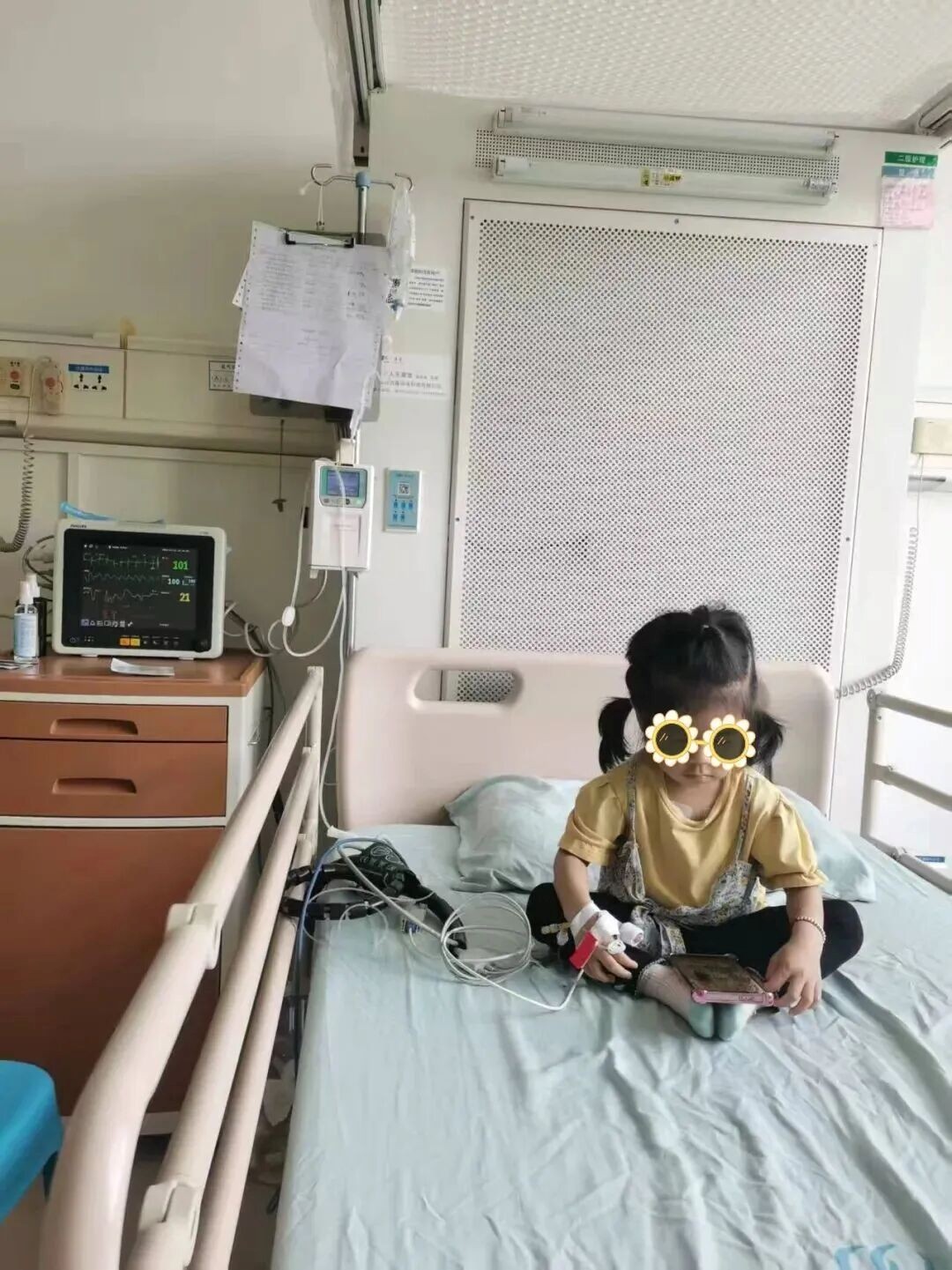
She received stem cells from her older sister on August 26, and successfully left the transplant isolation unit on September 22.
Those 30 days in the sterile unit became a period of physical and emotional transformation for the entire family.
Overcoming the Most Difficult Moments
During the first days in isolation, Keke experienced fever and diarrhea due to chemotherapy, making her irritable and uncomfortable.
Her mother remembers:
“The hardest part wasn’t the care itself—it was watching my child suffer and not being able to take the pain away.”
The medical team guided and supported her, helping her stay calm and learn how to care for Keke during treatment.
Day by day, Keke’s condition improved, giving her mother renewed confidence.
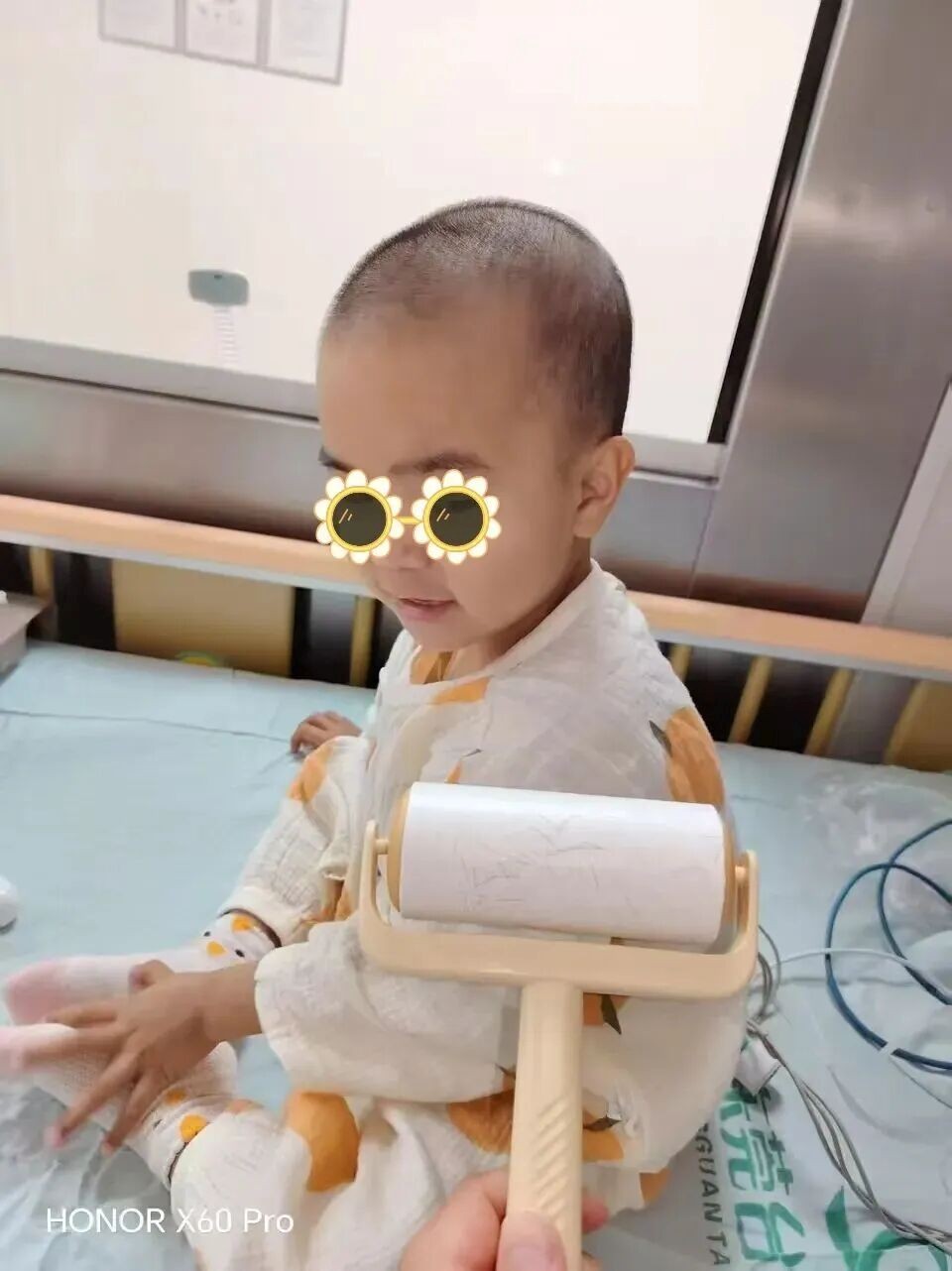
A Gradual Transformation After Transplant
More than a month after leaving the unit:
- Her “steroid face” disappeared
- Her cheeks became rosy
- She grew lively and cheerful again
- She stopped asking, “Why am I different from others?”
Her mother reflects:
“Only then did I realize how deeply anemia affected her—both physically and emotionally. I'm grateful that she was born at a time when medicine could give her a future. As long as we never give up, there is always hope.”
Q1: In recent years, new treatment approaches for refractory AML—including targeted therapy, immunotherapy, and cell therapy—have emerged. How would you evaluate the current status of treatment for these patients in China?
Prof. Wang: The most significant breakthrough in AML treatment over the past years lies in our deeper understanding of the disease's pathogenesis. We first needed to clarify why some patients fail to respond well to therapy, which led researchers to systematically investigate the mutational landscape associated with treatment resistance. Based on these molecular insights, the development of mutation-specific targeted agents became possible.
Currently, the range of targeted drugs available in clinical practice is expanding. A milestone example is imatinib, the first targeted therapy for hematologic malignancies worldwide, which revolutionized chronic myeloid leukemia (CML) by precisely targeting the BCR-ABL fusion gene—turning CML into a manageable chronic condition, and even achieving clinical cures.
For AML, the introduction of targeted therapies has improved outcomes for some refractory patients. For those unresponsive to conventional chemotherapy, combining targeted drugs can induce remission. However, these agents have notable limitations—monotherapy rarely prevents relapse. Allogeneic hematopoietic stem cell transplantation (allo-HSCT), the traditional curative approach, also faces significant challenges: patients who undergo transplant without achieving remission have a much higher relapse rate, and even those transplanted successfully remain at risk of relapse.
Targeted therapies have transformed transplant strategies in two key ways:
- Pre-transplant: For chemotherapy-resistant patients, targeted drugs can induce remission, creating an opportunity for transplantation.
- Post-transplant: Maintenance therapy with targeted agents significantly reduces relapse risk. Clinical data show that integrating targeted drugs improves transplant success rates primarily by effectively controlling relapse.
In contrast to lymphoid leukemias, progress in cellular therapies for AML has been relatively slow. Despite numerous clinical trials, challenges such as difficult target selection and high tumor heterogeneity have hindered breakthroughs. Consequently, the combination of targeted therapy and allo-HSCT remains the primary curative strategy for AML today.
Q2: Allogeneic HSCT is still regarded as the most important “potentially curative” approach for refractory AML. In which patients should transplant be considered as early as possible?
Prof. Wang: AML treatment strategies are now very clear—precision risk stratification is key. Previously, we leaned toward transplanting all patients. Today, we recognize that some patients can achieve long-term survival with chemotherapy alone, minimizing treatment burden. Therefore, our main task is to identify these patients through precise risk assessment.
The widely adopted European Leukemia Net (ELN) classification divides patients into favorable, intermediate, and adverse risk groups:
- Favorable risk: Transplant is not recommended; chemotherapy alone can achieve cure rates of 50–60%.
- Adverse risk: Due to poor genetic profiles, nearly all patients relapse after chemotherapy, so allo-HSCT is necessary regardless of remission status; otherwise, prognosis is extremely poor.
- Intermediate risk: This group remains the most controversial. According to ELN guidelines and Chinese clinical practice, allo-HSCT is still advised for these patients, as current chemotherapy and targeted approaches remain suboptimal.
Our ultimate goal is to achieve maximal survival benefit with minimal treatment burden. While transplant remains a high-risk and technically demanding “last resort,” for intermediate-risk patients, its feasibility should still be discussed at diagnosis.
Q3: Post-transplant relapse remains the leading cause of treatment failure in refractory AML. How do you optimize risk stratification and monitoring in clinical practice?
Relapse after allo-HSCT continues to be the primary cause of transplant failure. Advances in supportive care have significantly reduced mortality from GVHD and infections, bringing relapse into sharper focus. To address this challenge, we emphasize three key areas:
- Pre-transplant optimization: Ideally, patients should achieve MRD (measurable residual disease) negativity before transplant. However, in practice, there are two special groups: patients who cannot achieve hematologic remission and high-risk patients requiring urgent transplantation. At our center, 78% of transplant cases are in non-remission states, posing higher relapse risks.
- Conditioning regimen design: The key lies in balancing intensity—overly aggressive regimens increase transplant-related mortality, while insufficient intensity raises relapse risk.
- Post-transplant strategies:
- Comprehensive MRD monitoring: We use multiparametric approaches, including flow cytometry, chimerism analysis, and genetic testing, to detect relapse before hematologic recurrence (where salvage therapy success is only 20–30%).
- Targeted maintenance therapy: Evidence shows that graft-versus-leukemia (GVL) effect alone is insufficient to prevent relapse. Early intervention with targeted agents significantly lowers relapse rates.
- Immunomodulation: Our center adopts an interferon-based strategy—early tapering of immunosuppressants combined with long-acting interferon—to enhance GVL in a safer and more controllable way than donor lymphocyte infusion, which carries risks of severe GVHD or marrow suppression.
It is worth noting that our team was among the first in China to apply chimerism monitoring in clinical practice, a technique now widely adopted. By integrating these strategies, we have improved relapse control and overall survival outcomes for transplant patients.
Allogeneic hematopoietic stem cell transplantation (allo-HSCT) is an important therapeutic approach for hematologic malignancies such as leukemia and has been widely adopted both domestically and internationally. Among the various modalities, T-cell-depleted transplantation (TCD-HSCT) is a specialized form of allo-HSCT in which donor T lymphocytes are removed from the graft to reduce the incidence of graft-versus-host disease (GVHD), thereby improving transplant success rates and patient survival. Despite significant progress in TCD-HSCT, many patients still have questions regarding its indications, pre-transplant preparation, procedural risks, post-transplant care, and prognosis.
In this article, Professor Chunfu Li, Director of the Nanfang Chunfu Institute of Hematology, provides a detailed overview of TCRαβ+ T cell-depleted hematopoietic stem cell transplantation (TDH), explaining its mechanisms, evolution, advantages, and applications in hematologic and immune disorders.
I. Mechanism and Development of TDH Transplantation
Currently, clinical transplantation protocols are broadly divided into two categories:
- T-cell-replete transplantation (TCR-HCT)
- Ex vivo T-cell-depleted transplantation (TCD-HCT)
- T-cell-replete HCT involves grafts that retain a high number of T cells and includes matched sibling donor (MSD) transplants, matched unrelated donor (MUD) transplants, and haploidentical transplants (Haplo-HCT). Haplo-HCT includes the ATG-based (Beijing protocol) and PTCy-based (U.S. protocol) approaches. Both methods aim to suppress T cells in vivo through anti-thymocyte globulin (ATG) or post-transplant cyclophosphamide (PTCy) to reduce GVHD.
- Ex vivo TCD-HCT removes T cells from the graft prior to infusion and has undergone four developmental stages:
Stage 1: In the 1990s, physicians attempted CD34+ stem cell selection, infusing only CD34+ cells. Outcomes were suboptimal.
Stage 2: Negative selection techniques emerged, depleting CD3+ (T) cells. Although outcomes improved, efficacy remained limited.
Stage 3: CD45RA depletion targeted naïve T cells, but results were still unsatisfactory.
Stage 4: The current TDH approach enables selective depletion of αβ T cells while retaining γδ T cells and natural killer (NK) cells, which are critical for antitumor and anti-infective immunity.
In fact, TDH technology represents a step forward toward precision transplantation.
II. Rationale for αβ T Cell Depletion
While T cells (CD3+ cells) are generally considered the primary mediators of GVHD, they are composed of αβ and γδ subsets. αβ T cells are the main drivers of GVHD, whereas γδ T cells and NK cells contribute to tumor surveillance and infection control. Thus, selectively removing αβ T cells mitigates GVHD risk while preserving beneficial immune functions.
Immunomagnetic bead sorting is commonly used to deplete αβ T cells. Magnetic beads specifically bind to αβ T cells, forming bead-cell complexes, which are then removed by magnetic columns, leaving behind a graft enriched in CD34+ stem cells, γδ T cells, and NK cells. The αβ T cell content is reduced to less than 1×10⁵/kg.
These enriched grafts help reconstruct hematopoiesis (via CD34+ cells) and provide immune protection (via NK and γδ T cells).
Since around 2008, TDH technology has evolved. Initially, CD3+ T cell depletion yielded limited efficacy (6–8×10⁵), requiring immunosuppressive therapy. By 2014, depletion efficiency improved to 1–5×10⁵ for TCRαβ+ cells, but immunosuppressants were still necessary. Post-2015, the technique matured, reducing residual αβ T cells to <5×10⁴, eliminating the need for immunosuppressive therapy and minimizing GVHD risk while maintaining robust hematopoietic recovery and antitumor effect.
III. Advantages of TDH Technology
Let us examine how TDH transplantation reduces risks and improves outcomes in allo-HSCT.
Major risks of allo-HSCT include:
- Graft failure (implantation failure, incidence <5%)
- GVHD (usually >20%)
- Relapse (approximately 20%, varies by disease and transplant conditions)
- Infection (nearly universal, with ~10% mortality)
IV. How does TDH technology reduce these post-transplantation risks and thereby increase the success rate of transplantation?
1. Enhancing Graft Success Rate
In diseases like thalassemia, which have higher graft failure rates, TDH transplantation has reduced failure rates to below 2% in our center. In other diseases, the failure rate is even lower.
2. Reducing GVHD and Infection
TDH enables infusion of a large number of CD34+ stem cells, expediting hematopoietic recovery. Faster recovery of neutrophils and platelets shortens inpatient time, reduces hemorrhagic complications, and lowers infection risks. International studies show TDH is associated with the lowest incidence of both acute and chronic GVHD.
3. Lowering Relapse Rates
Relapse remains the most challenging issue post-HSCT. Once relapse occurs, survival drops below 20%. Thus, prevention is key. Why the rate of relapse is high? In haploidentical transplants using ATG or PTCy, T cell and NK cell recovery is hindered, impairing graft-versus-leukemia effects. Furthermore, T-cell-replete transplants require immunosuppressive therapy (IST), which suppresses T/NK cell function and contributes to relapse.
Contrary to early beliefs that TCD increases relapse risk (due to immature CD34+ selection methods), modern TCRαβ+ depletion allows infusion of large numbers of NK and γδ T cells with strong antitumor activity.
Studies have shown that a graft NK cell count >6.33×10⁶/kg reduces relapse risk by 90%. In our 83 TDH transplant recipients with leukemia, the median NK cell count reached 110.5×10⁶/kg, well above this threshold, with high γδ T cell counts as well.
In cord blood transplantation, NK cells are the first to recover. Their robust reconstitution reduces relapse. Similarly, early post-transplant recovery of γδ T cells within 30 days correlates with improved survival and lower relapse. Critically, TDH eliminates the need for IST, and does not require preconditioning with ATG/PTCy, allowing for rapid T cell recovery and enhanced antileukemic effect.
The trend in HSCT is moving toward minimizing or eliminating ATG. Previously, limited understanding of immunotherapy led to reliance on ATG. Now, as immunotherapy advances, ATG is increasingly seen as unnecessary. TDH serves as a platform for integrating immunotherapy, helping further reduce relapse and improve long-term survival.
On September 13, after more than 100 days of careful treatment by doctors of GoBroad Transplantation Center, Mr. Sun (a pseudonym), a patient with acute myeloid leukemia, was successfully discharged from the hospital. At the age of 73, Mr. Sun set a new record for the oldest allogeneic hematopoietic stem cell transplant patient in the transplant team, as well as in the hospital.
At the beginning of this year, Mr. Sun always felt foot pain, body weakness, appetite is also much worse. In the following month, Mr. Sun's symptoms worsened, with foot pain that made it difficult to walk, inability to eat, abdominal distension and irritability. Unable to tolerate the discomfort, Mr. Sun decided to go to the hospital for further evaluation. Routine blood and bone marrow tests revealed that Mr. Sun most likely had leukemia.
On May 3, Sun arrived at Beijing GoBroad Boren Hospital accompanied by his family. Although it was a holiday, Mr. Sun went through the admission process smoothly under the coordination of Wu Tong, Director of the Transplant Center.
Leukemia MICM typing is very important, which helps to determine the type of leukemia, formulate the appropriate treatment plan, and monitor the effect of treatment. After further extensive testing, Sun was finally diagnosed with acute myeloid leukemia with bZIP, CEBPA, CSF3R and NRAS mutations. After 3 rounds of chemotherapy, Sun's condition went into complete remission.
However, the disease was more cunning than expected, and during the subsequent consolidation phase, Mr. Sun was found to have 0.02% suspicious primitive myeloid cells in MRD during a routine examination. This meant that he had to undergo hematopoietic stem cell transplantation.
Mr. Sun's age was a major hurdle for the transplant. In general, transplantation for elderly patients is more difficult and risky than for normal patients. To ensure the best treatment outcome, the medical team conducted a thorough pre-transplant evaluation and assessment of Sun and carefully designed a reduced-intensity pre-treatment program that best suited his needs.
On July 22-23, Mr. Sun was successfully infused with his son's hematopoietic stem cells. 11 days after the transplantation, platelets were viable, and 14 days after the transplantation, neutrophils were viable, and hematopoietic reconstruction was successful. By September, Mr. Sun's condition was stable and he was discharged from the hospital.
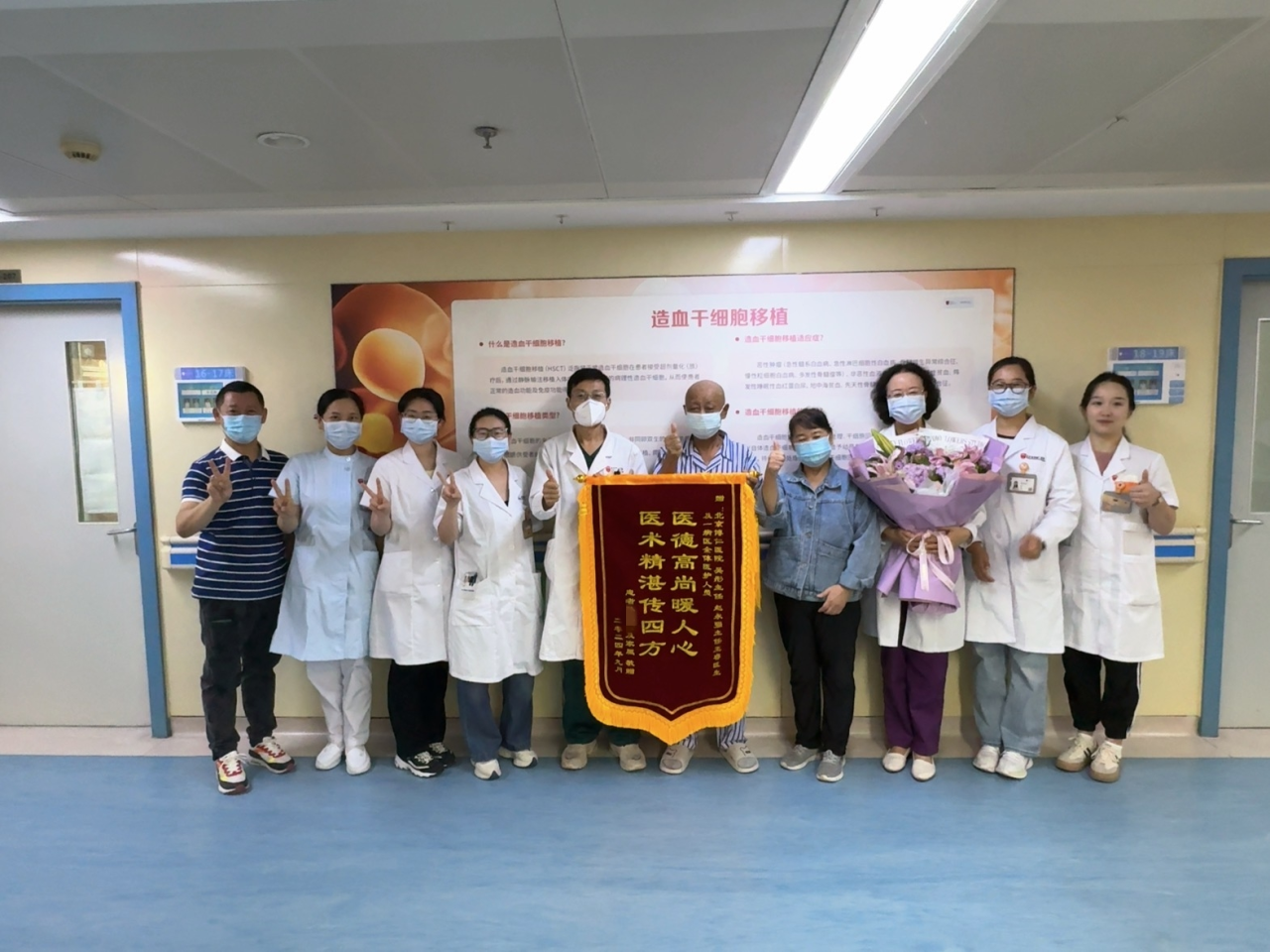
Mr. Sun is especially grateful to the hospital and the medical team for their professional treatment and careful care. He said, "It's the right time to come to the hospital!" He is also very grateful to his family for their companionship and support. Since his illness, his family has been with him all the time, from financial support, spiritual encouragement, physical care to the details of his life, they have taken care of Sun without reservation and in every detail, which also inspired his courage and strength to overcome the illness. Sun's wife was a head nurse at the hospital before she retired, with rich medical and nursing experience, and he was able to be discharged from the hospital without her meticulous care. Although he cannot return to his hometown for the time being, Mr. Sun still feels very happy to have crossed the "line between life and death," and he said that what he wants most at the moment is to have a family reunion.


